THE FREELANDS
Introduction
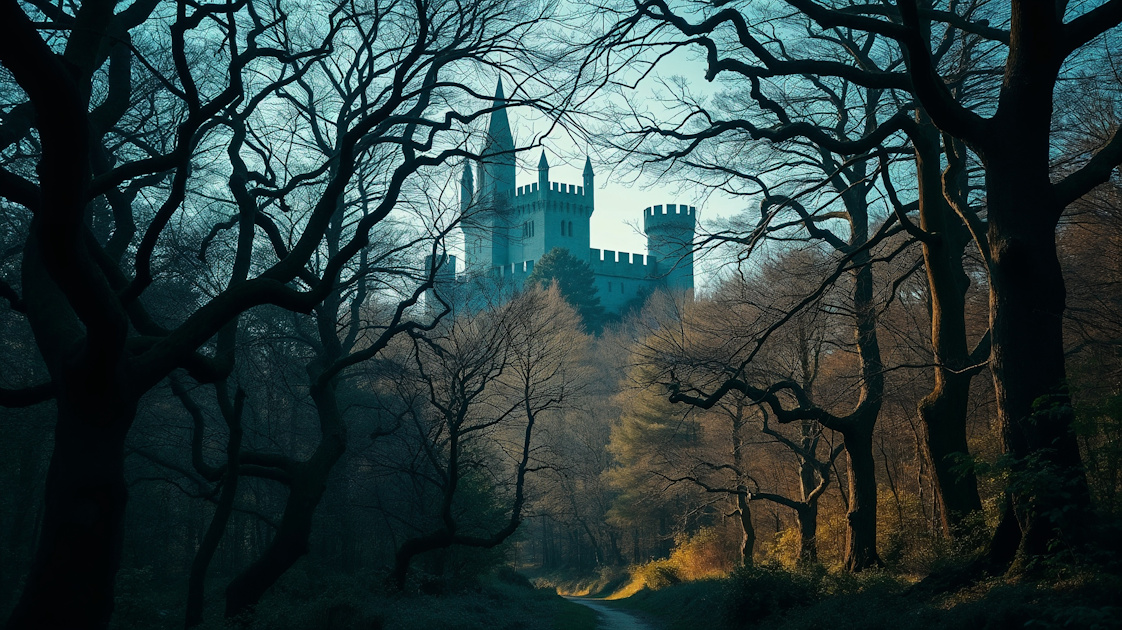
East of the Alzion Mountains, south of the Merrow Woods, and west of the Hollow Hills and the Grimmere lies a land unlike any other in Uhl. The Freelands stand as a testament to human determination and the power of collective refusal—a region where neither king nor god holds sway, and where independence is valued above all other virtues. For over five centuries, the people of this realm have maintained their founding principle: they will never again kneel to king or god, for both have proven to be the source of endless war and suffering.
To the people of the Four Fiefdoms, the Freelands represent a lawless wilderness populated by mercenaries, rogues, and thieves. This perception, while not entirely inaccurate, reveals more about the observers than the observed. The Freelands are not without law, but theirs is a different kind of order—one built not on the commands of distant rulers but on the earned respect of capable leaders and the mutual agreements of free communities. Where the Four Fiefdoms maintain stability through hereditary nobility and centralized authority, the Freelands achieve it through networks of personal loyalty, proven competence, and the understanding that power must be constantly earned rather than inherited.
The region is a fragmented collection of cities and castles, each ruled by barons or lordlings who have either fought their way to power or gained a following that warrants consideration as leaders. Notable settlements include Drax-Korrum, infamously known as the City of Assassins, and High Holt, a fortress-city near the Blackwood Forest where various lordlings engage in constant but structured warfare. Lesser settlements dot the landscape—fortified towns built around valuable resources, trading posts positioned along crucial routes, and independent homesteads carved from wilderness by families who prefer isolation to any form of governance.
Despite their apparent chaos and disunity, the Freelands have thrived where many predicted failure. Their decentralized structure makes them nearly impossible to conquer, as there is no capital to capture, no king to depose, no central authority whose fall would bring the entire region to its knees. Their rejection of hereditary privilege creates societies where talent and determination matter more than birth, attracting ambitious individuals from across Uhl who find the rigid hierarchies of other lands stifling. Their refusal to involve themselves in the political conflicts of the Four Fiefdoms makes them a valuable neutral ground where rivals can meet and trade without fear of being drawn into larger conflicts.
"Never again shall we kneel to king or god, for both have proven to be the source of endless war and suffering."
— The Oath of Independence, Year 23
Through the Ages
The Age of the Old Gods: Seeds of Defiance (Before Year 0)
During the Age of the Old Gods, the eastern territories beyond the Alzion Mountains were sparsely populated frontier lands within the greater realm of Darshavon. These remote regions served as buffer zones between the civilized kingdom and the wild places—the Merrow Woods to the north with its xenophobic krill tribes, the Grimmere Swamp to the southeast with its sitheri war parties, and the mysterious Hollow Hills beyond. The scattered communities that existed here were largely forgotten by the high king in distant Oslo, left to fend for themselves against goblin raids, krill territorial disputes, and the occasional sitheri incursion seeking captives for their sacrificial rituals.
The inhabitants of these eastern lands—farmers eking out a living from rocky soil, trappers harvesting furs from dangerous forests, miners extracting ores from mountains that also harbored goblin warrens, and refugees from various conflicts who sought isolation from the troubles of more civilized regions—developed a fierce independence born of necessity. When the central authority provided no protection, communities learned to protect themselves. When the king's tax collectors came only sporadically, people grew accustomed to keeping what they produced. When royal decrees proved irrelevant to daily survival, the habit of ignoring distant authority became ingrained.
The Three Great Wars brought suffering to these eastern communities that would prove formative to their eventual rejection of all higher authority. Divine armies marched through their lands, leaving devastation in their wake without regard for the mortals whose homes and fields became battlegrounds. Villages were conscripted to serve gods they barely understood, their young men pressed into service for causes that seemed to benefit only distant powers. Resources were stripped away to fund wars that brought the eastern territories nothing but misery, death, and the bitter knowledge that they were considered expendable by both divine and mortal authorities.
As the final battle of the Third Great War approached, many eastern communities had endured for centuries as pawns in conflicts they had never chosen. They had watched their neighbors die for gods who promised glory but delivered only suffering. They had seen their resources confiscated by kings who claimed to protect them but in fact demanded only their service. They had learned to hate both divine and royal authority with equal fervor, and when the Fall of the Old Gods finally came, these communities were uniquely prepared to chart a different course.
The Age of Resilience: The Great Refusal (Year 0 to 100)
The Fall of the Old Gods and the death of the high king presented the eastern territories with a choice that would define their future. As nobles from the remnants of Darshavon arrived seeking to establish new kingdoms and demanding oaths of fealty, they encountered something unexpected: outright refusal. The eastern communities, led by survivors who had witnessed the futility of divine wars and royal ambitions, recognized the pattern repeating itself—new rulers demanding submission in exchange for promises of protection and prosperity that previous rulers had failed to deliver.
The pivotal moment came in the year 23, at a great gathering held at what would later become High Holt. Representatives from dozens of settlements met to coordinate their response to would-be kings seeking to claim their lands. These representatives—village elders, militia commanders, successful merchants, and respected craftsmen—made a collective decision that would echo through the ages. They swore the Oath of Independence: "Never again shall we kneel to king or god, for both have proven to be the source of endless war and suffering."
This oath was not a rejection of all governance but rather a refusal to submit to distant authority that claimed the right to rule by birth or divine mandate. The communities agreed to remain independent while forming loose alliances for mutual protection and trade. They would govern themselves according to local needs and customs, cooperating when it served their interests but refusing to subordinate themselves to any central power. This revolutionary concept—that communities could organize for mutual benefit without creating hierarchies of authority—would define Freelander civilization for centuries to come.
The eastern territories became a refuge for others who shared their philosophy. Deserters from the failed attempts to re-establish Darshavon arrived seeking communities that would not return them to masters they had abandoned. Priests who had lost faith during the Fall found welcome among people who shared their disillusionment with divine authority. Nobles who had seen too much bloodshed in the wars of succession renounced their titles to start new lives where competence mattered more than lineage. These refugees brought skills and knowledge that enriched Freelander communities while also reinforcing their commitment to independence.
Drax-Korrum, the ancient City of Assassins, had existed long before the Fall of the Old Gods. For centuries, the city had served as the base of operations for the Brotherhood of Shadows, a secretive order of assassin-priests who devoted themselves to Kalthar, the God of Assassins, and practiced a deadly form of shadow magic. When the Brotherhood was destroyed and the Old Gods perished, Drax-Korrum endured. During the chaotic years that followed, the city drew a new wave of inhabitants—former soldiers, spies, and assassins who had served various masters during the Great Wars and the conflicts that followed. United by their shared disillusionment with authority and their recognition that their particular skills made them valuable but also unwelcome in more conventional societies, these newcomers found in Drax-Korrum a place where competence and reliability mattered more than birthright or moral purity. The city's ancient traditions absorbed and shaped them as much as they were shaped by them, reinforcing its reputation as a place where people could prosper without bowing to false promises of protection from distant rulers.
The Age of Change: Defining the Freelander Way (Year 101 to 450)
As the Four Fiefdoms stabilized and prospered under their various monarchies, the Freelands evolved into something unique in Uhl: a region defined not by what it was, but by what it refused to become. During this period, the distinctive culture and governance systems of the Freelands crystallized around several core principles that would endure for centuries and distinguish them from every other civilization in the known world.
The Doctrine of Earned Authority emerged as the fundamental principle of Freelander governance during the second century following the Oath of Independence. Unlike the hereditary nobility of the Four Fiefdoms or the clan-based leadership of the dwarven thanes, leadership in Freelander communities was based purely on capability, accumulated resources, and the ability to maintain followers. A baron or lordling in the Freelands held power only as long as they could prove their worth—whether through successful defense of their territory, profitable trade ventures, fair arbitration of disputes, or simply the respect of their peers and subordinates.
This system led to a constant but manageable level of conflict that outsiders misinterpreted as chaos. The wars between lordlings at High Holt, for instance, were not mindless violence but a form of structured competition that prevented any single leader from becoming powerful enough to unite the region under their rule. These conflicts followed unwritten rules developed over generations—avoiding destruction of productive infrastructure, respecting the neutrality of merchants and craftsmen, allowing defeated lordlings to retreat rather than fighting to the death, and maintaining the understanding that yesterday's enemy might be tomorrow's ally. The constant turnover of power prevented the establishment of dynasties while ensuring that leaders remained competent and responsive to their followers' needs.
The Merchant Compact of 287 established the economic foundation that would allow the Freelands to thrive without central authority. Representatives from major settlements created agreements for trade standards, conflict resolution, and mutual defense that bound communities together without requiring political unity. This framework established common currencies, standardized weights and measures, protocols for arbitrating commercial disputes, and mechanisms for coordinating responses to external threats—all without creating any permanent governing institution or granting any community authority over the others.
The Code of Personal Sovereignty, formalized around the year 320, though based on customs dating to the earliest days of Freelander civilization, became the closest thing the region had to universal law. It established that no person could be compelled to serve another against their will, that property belonged to those who could defend it (including by legal arbitration as well as force of arms), and that disputes should be settled through negotiation, combat, or arbitration rather than by appealing to a higher authority. This code attracted refugees, dissidents, and free thinkers from across Uhl, swelling the population with individuals who valued independence above the security offered by traditional kingdoms.
Drax-Korrum evolved during this period into something unprecedented: a city where former assassins, spies, and criminals created their own form of order. Rather than lawlessness, they developed complex systems of professional ethics, territorial agreements, and conflict resolution that served their needs without requiring traditional authority structures. The city's guilds—organizations of assassins, thieves, smugglers, and information brokers—established codes of conduct governing how members could operate, which targets were acceptable, and how conflicts between professionals should be resolved. This self-regulation created a paradoxical situation where a city nominally without law was actually governed by an intricate web of professional standards and personal reputation.
The Age of Advancement: Prosperity Without Kings (Year 451 to Present)
The current age has brought unprecedented prosperity to the Freelands, though their core principles remain unchanged. As the Four Fiefdoms flourish under innovations like King Classus IV's airship technology, the Freelands have found ways to benefit from advancement without compromising their independence. In some areas, their decentralized approach to innovation has proven surprisingly effective, allowing for rapid adaptation and experimentation that more bureaucratic societies cannot match.
Modern trade networks connect Freelander settlements with all four fiefdoms, carefully maintaining neutrality in their conflicts while benefiting from their prosperity. The cities of the Freelands serve as neutral meeting grounds where representatives from rival kingdoms can negotiate without loss of face, and where goods can be traded without political complications. This neutrality has proven valuable enough that the fiefdoms generally respect Freelander independence despite occasional temptations to bring the region under their control. A merchant from Kallendor and one from Anolga might be enemies in their home territories, but in the marketplaces of the Freelands they conduct business according to mutually beneficial terms.
The lordling system has refined itself into a sophisticated mechanism of governance that achieves stability through constant controlled instability. The small-scale conflicts that characterize Freelander politics serve multiple purposes: they prevent the accumulation of excessive power in any single leader's hands, provide training and employment for professional soldiers, maintain the martial skills necessary for defense against external threats, and offer a form of entertainment for populations that view properly conducted warfare as both spectacle and social sorting mechanism. New lordlings constantly emerge while established ones fall, creating a dynamic equilibrium that has proven remarkably resilient.
In the present day (Year 539), the Freelands stand as proof that prosperity and progress need not require submission to distant authorities. While they face new challenges from technological change, economic integration, and external pressures, the fundamental commitment to independence remains as strong as it was when the Oath of Independence was first sworn over five centuries ago.
Culture and Society
Freelander culture is fundamentally shaped by its collective refusal to submit to any authority they have not personally chosen and can withdraw from at will. This creates societies that value personal achievement, practical skill, and the ability to stand by one's word above inherited status, conventional morality, or adherence to tradition for its own sake. The Freelander motto, "Judge by deeds, not words or birth," encapsulates their approach to social organization and interpersonal relations.
Social mobility in the Freelands is extraordinarily high compared to the rigid hierarchies of the Four Fiefdoms. A talented individual can rise from poverty to lordship within a single lifetime if they possess the right combination of ambition, skill, and timing. Conversely, lordlings who fail to maintain their positions through competence or accumulated resources quickly find themselves displaced by hungrier rivals. This constant circulation of elites prevents the ossification that plagues hereditary systems while ensuring that positions of power are generally held by capable individuals rather than merely by the well-born.
The emphasis on personal achievement creates a culture that celebrates success regardless of how it is obtained, as long as the successful individual honors their commitments and respects established customs. A former thief who becomes a successful merchant faces no social stigma from their past, provided they conduct their current business honestly and reliably. A deserter from one of the Four Fiefdoms' armies can become a respected military commander in the Freelands, their skill mattering more than their previous disloyalty to a master they chose to abandon.
Personal honor and reputation carry enormous weight in Freelander society, precisely because there is no central authority to enforce contracts or punish betrayal. A person's word must be their bond, because breaking it destroys the trust necessary to conduct business, form alliances, or maintain social relationships. Those who develop reputations for unreliability find themselves increasingly isolated until they either reform their behavior or leave for regions where their past is unknown. This creates strong incentives for honesty and competence even in the absence of formal legal systems.
The rejection of divine authority has led to a pragmatic approach to spirituality, distinguishing Freelanders from most other peoples of Uhl. While some individuals maintain personal beliefs, organized religion holds little power in their society. The ruins of temples from the Age of the Old Gods serve as reminders of the cost of placing faith in distant powers rather than relying on oneself and one's community. Freelanders tend to view religious devotion as a personal matter that should not intrude on public life or be used to claim authority over others.
Community bonds in the Freelands are based on mutual benefit and voluntary association rather than traditional ties of kinship or feudal obligation. People form associations for specific purposes—defense, trade, shared crafts, or simply friendship—and maintain them as long as all parties benefit. These voluntary associations can be remarkably strong and enduring, but they lack the permanence and compulsory nature of relationships in more traditional societies. This creates flexibility that allows communities to adapt rapidly to changing circumstances while also requiring constant maintenance of relationships through demonstrated value.
Architecture and Craftsmanship
Freelander architecture reflects their emphasis on practicality, defensibility, and individual expression rather than conformity to standardized styles or royal mandates. Buildings are constructed to serve their intended purposes efficiently while also expressing something of their owners' personalities and values. The result is a diverse architectural landscape where fortified manors stand beside innovative workshops, traditional farmsteads neighbor experimental structures, and practical warehouses incorporate decorative elements that would seem frivolous in more conventional societies.
Defensive considerations dominate the design of most Freelander settlements, reflecting the constant low-level conflict that characterizes their political landscape. Towns and cities feature multiple defensive perimeters—outer walls designed to slow attackers and provide early warning, interior strongpoints that can be defended independently if outer defenses fall, and often underground facilities that allow defenders to withstand extended sieges or conduct guerrilla operations against occupiers. Even individual buildings in settled areas typically incorporate defensive features such as reinforced doors, small ground-floor windows, and rooms that can be sealed off and defended if the rest of the structure is compromised.
High Holt exemplifies Freelander military architecture at its finest. The fortress-city features concentric defensive rings, each capable of independent defense and each positioned to support the others with overlapping fields of fire. The various lordlings maintain their own strongholds within the larger complex, creating a situation where the city is simultaneously unified for external defense and divided for internal competition. This arrangement allows constant small-scale warfare among lordlings while maintaining the ability to present a united front against external threats.
Drax-Korrum displays a different architectural approach, reflecting its origins as a haven for professionals operating outside conventional law. The city's buildings are designed to provide both visibility for legitimate commerce and concealment for more sensitive activities. Elaborate systems of hidden passages, concealed rooms, and rooftop routes allow residents to move through the city without being observed while also providing multiple escape routes should situations become dangerous. The architecture embodies the city's dual nature—simultaneously open for business and secretive about specifics.
Craftsmanship in the Freelands emphasizes innovation and practical utility over adherence to traditional forms or the use of expensive materials. Craftsmen experiment freely with new techniques and materials, unrestrained by guild regulations or royal standards that might limit their creativity. This freedom has produced innovations in everything from metallurgy to construction techniques to the design of tools and weapons. Some of these innovations eventually spread to the Four Fiefdoms, though often without acknowledgment of their Freelander origins.
Weaponsmithing represents perhaps the most developed craft in the Freelands, driven by constant demand from lordlings, mercenaries, and individuals who recognize that their security ultimately depends on their ability to defend themselves. Freelander weapons tend toward the practical rather than ornate—well-balanced, durable, and designed for actual combat rather than ceremonial display. Master weaponsmiths develop personal styles and distinctive techniques that make their work recognizable to experts, building reputations that enable them to command premium prices and attract students seeking to learn their methods.
Engineering and fortification design have advanced considerably in the Freelands, driven by the need to defend scattered settlements against various threats without access to the resources of centralized kingdoms. Freelander engineers have developed sophisticated systems for water supply, waste management, and climate control that allow even relatively small communities to withstand extended sieges. These practical innovations often surpass the more elaborate yet less functional constructions found in wealthier, more complacent kingdoms.
Geography and Resources
The Freelands occupy a strategically valuable position bounded by natural barriers and dangerous neighboring regions. To the west rise the Alzion Mountains, their peaks harboring goblin fortresses that pose constant threats while also providing natural defense against potential invasion from the Four Fiefdoms. To the north stretches the Merrow Woods, home to the xenophobic krill tribes whose territorial nature creates a buffer zone that few armies would willingly cross. The Hollow Hills to the east and the Grimmere Swamp to the southeast mark boundaries beyond which even Freelanders rarely venture, both regions harboring mysteries and dangers that have defeated most attempts at exploration or settlement.
The territory within these boundaries encompasses diverse terrain—fertile valleys where agriculture can flourish, forested regions providing timber and game, mineral deposits that support mining communities, and strategic passes that control trade routes between the Four Fiefdoms and the lands beyond. The Blackwood Forest near High Holt provides abundant hardwood suitable for construction and shipbuilding, while also harboring dangers that prevent overexploitation and make the resource more valuable. Rivers flowing down from the mountains supply water and transportation routes, and their valleys contain the most productive agricultural land in the region.
Resource distribution throughout the Freelands is varied enough to prevent any single settlement from achieving complete self-sufficiency while ensuring that communities have access to basic necessities. This pattern encourages trade and cooperation while preventing the kind of resource monopolies that might allow one lordling to dominate the entire region. Iron deposits support local weapons production, clay beds enable brick and pottery industries, and quarries provide building stone, but no single community possesses all resources in abundance.
The proximity to the Merrow Woods has led to a unique relationship with the krill tribes. Both people value independence and territorial autonomy, creating a basis for mutual respect despite their fundamental differences. Krill traders occasionally visit Freelander settlements near the forest borders, exchanging exotic goods from the deep woods—rare herbs, unusual furs, and crafted items reflecting krill aesthetic sensibilities—for metal tools and weapons that the cat-people cannot easily produce themselves. These trading relationships operate on strict protocols that both sides carefully observe, maintaining peaceful coexistence through mutual respect for boundaries and customs.
The eastern borders face constant pressure from goblin raids originating in the Alzion Mountains and the Underland. However, the Freelands' decentralized nature makes them a difficult target for organized goblin warfare. Individual settlements can be threatened, raided, or even destroyed, but the goblins cannot strike a killing blow against any central authority because none exists. When one settlement falls, others rally to drive back the invaders, motivated by both solidarity and the recognition that today's victim could be tomorrow's avenger. This resilience through dispersion has proven more effective than the centralized defenses of more unified kingdoms, which can be crippled by a single strategic defeat.
Trade and Diplomacy
The Freelands have carved out a unique economic niche as neutral intermediaries and meeting grounds for parties who might be enemies in other contexts. This position has proven remarkably profitable, allowing Freelander communities to benefit from the prosperity of the Four Fiefdoms while avoiding entanglement in their conflicts. Merchants from rival kingdoms who would never meet in their home territories conduct business freely in Freelander markets, secure in the knowledge that the region's neutrality will be maintained because it serves everyone's interests.
Trade relationships with the Four Fiefdoms follow patterns established over centuries of careful diplomacy. Each major Freelander settlement maintains connections with merchants and factors in all four kingdoms, refusing to grant exclusive arrangements or take sides in inter-kingdom disputes. This studied neutrality makes Freelander merchants trusted intermediaries for goods that must flow between rival powers, while also positioning the Freelands as venues for negotiations and agreements conducted on neutral ground. The premium that merchants pay for this neutrality—in the form of customs fees, storage charges, and security payments—provides a steady income for Freelander communities.
The Merchant Compact provides the framework for commercial relationships both within the Freelands and with external trading partners. This elaborate system of agreements establishes standards for trade practices, mechanisms for resolving disputes, and protocols for coordinating responses to threats against commerce. Violations of the Compact result in exclusion from protected trade networks—a penalty severe enough to deter most potential offenders while avoiding the need for any central authority to enforce rules. The system relies on reputation and voluntary compliance, but these prove sufficient given the benefits of participation and the costs of exclusion.
Diplomatic relationships with external powers are managed through networks of personal contacts rather than formal ambassadors or treaties. Influential lordlings, successful merchants, and respected arbitrators maintain relationships with their counterparts in the Four Fiefdoms, creating channels for communication and negotiation that bypass official diplomatic processes. This informal approach allows for flexibility and rapid adaptation to changing circumstances while avoiding the kinds of formal commitments that might compromise Freelander independence.
The relationship with the krill of the Merrow Woods represents one of the Freelands' most unusual diplomatic achievements. Both peoples share a fundamental commitment to independence and territorial sovereignty, creating common ground despite vast cultural differences. Trading posts along the forest borders operate according to carefully negotiated protocols that respect krill territorial claims while allowing for mutually beneficial commerce. Neither side seeks to expand these limited interactions into broader political relationships, recognizing that their peaceful coexistence depends partly on maintaining an appropriate distance.
Information trading has become a significant economic activity in the Freelands, with various settlements and individuals specializing in gathering, verifying, and selling intelligence about political developments, trade conditions, and military movements throughout Uhl. This commerce in information benefits from the Freelands' neutral position, as sources from various kingdoms share intelligence knowing it will be sold to all parties rather than benefiting any single power. The information trade creates its own ethical frameworks and professional standards, preventing it from descending into destructive espionage while maintaining its economic value.
Military and Defense
Military organization in the Freelands reflects their commitment to independence and their rejection of centralized authority. Rather than maintaining standing armies under unified command, Freelander defense relies on a complex system of professional soldiers, local militias, temporary alliances, and the understanding that every able-bodied citizen bears ultimate responsibility for their own protection and that of their community. This decentralized approach creates both strengths and vulnerabilities that distinguish Freelander military capabilities from those of more conventional kingdoms.
Professional mercenary companies form the backbone of Freelander military capability. These organizations range from small bands of a dozen specialists to substantial companies numbering hundreds of experienced soldiers. The companies maintain their own command structures, training regimens, and codes of conduct, operating as independent businesses that sell their services to lordlings, communities, or even external clients from the Four Fiefdoms. The most respected companies develop reputations for competence and reliability that enable them to command premium fees and ensure steady employment.
The constant low-level warfare among lordlings serves as practical training, keeping Freelander military forces sharp. These conflicts, while potentially deadly for participants, follow unwritten rules that limit their destructiveness—avoiding unnecessary destruction of productive resources, respecting the neutrality of non-combatants, and generally treating warfare as a means of transferring power and resources rather than a vehicle for annihilation. This controlled violence produces seasoned warriors with actual combat experience, giving Freelander forces advantages over troops from more peaceful regions who train extensively but fight rarely.
Local militias provide the first line of defense for most settlements, consisting of citizens who maintain their regular occupations while training regularly for defensive warfare. These militia forces typically emphasize defensive tactics appropriate to their fortified settlements—crossbow volleys from walls, coordinated infantry formations to hold chokepoints, and the use of local terrain advantages to offset numerical disadvantages. While militia troops cannot match professional soldiers in offensive operations, they prove remarkably effective at defending their home territories, fighting with the determination of people protecting their own property and lives.
The Freelands' decentralized structure makes them extremely difficult to conquer through conventional military means. There is no capital to capture, no king whose defeat would end resistance, no central government whose fall would bring the entire region under control. An invading force might take individual settlements, but doing so requires extensive resources while the rest of the Freelands remains unconquered and capable of organizing counterattacks. This strategic depth through dispersion has deterred potential conquerors who recognize that the costs of conquest would far exceed any potential benefits.
Coordination for defense against major external threats occurs through temporary alliances formed for specific purposes and dissolved once the threat passes. When goblin raids from the Alzion Mountains threaten multiple settlements, affected communities pool resources and coordinate responses without creating any permanent military hierarchy. Mercenary companies from across the Freelands may temporarily unite under a recognized commander, fight the campaign, collect their pay, and then return to their normal competitive relationships. This ad hoc approach to military coordination proves surprisingly effective, leveraging the combat skills of professional soldiers while avoiding the political complications of permanent alliances.
Individual combat skills are highly valued in Freelander culture, where every person understands that their security ultimately depends on their ability to defend themselves. Training in weapons use begins in childhood and continues throughout life, creating a population where even farmers and craftsmen possess basic combat competence. This universal military capability makes even small Freelander settlements dangerous targets, as invaders face resistance not just from professional soldiers but from entire populations willing and able to fight for their independence.
Heroes of Legend
Gareth Ironhand - The First Independent
Gareth Ironhand is the legendary founder of Freelander independence, the man who called the great gathering at High Holt in the year 23 and spoke the words that would become the Oath of Independence. A former commander in Darshavon's armies during the final Great War, Gareth had witnessed the futility of serving distant masters who demanded sacrifice while providing only suffering in return. When the Fall of the Old Gods destroyed his king and gods simultaneously, Gareth made a choice that would echo through centuries: he would never serve another master, and he would ensure others had the same freedom to choose their own paths.
What made Gareth legendary was not military prowess—though he possessed that in abundance—but rather his vision of a different way to organize society. He understood that simply rejecting authority would lead to chaos unless it was replaced with something more sustainable. The principles he articulated at the great gathering—earned authority, personal sovereignty, and mutual cooperation without subordination—provided the philosophical foundation for Freelander civilization. His famous speech, preserved in oral tradition and recounted at every anniversary of the Oath, contains the words that still define the Freelands: "Let us be free or dead, but never again slaves to false promises of security."
Gareth's greatest test came when the first would-be king attempted to unite the eastern territories under his rule through a combination of military force and promises of prosperity. Gareth organized the defense of High Holt against superior forces, using the fortress's defensive advantages and the determination of free people to defeat an army that expected an easy victory. This successful defense proved that independence could be maintained through collective effort and strategic thinking rather than through submission to powerful protectors. Gareth lived to see the Freelands established on firm foundations before his death at age seventy-three, secure in the knowledge that his vision would outlive him.
Silvia the Shadow - Architect of Drax-Korrum
Silvia the Shadow achieved legendary status as the primary architect of Drax-Korrum's transformation from a refuge for criminals into a functioning city with its own form of order. A former assassin in service to various masters during the chaotic years following the Fall of the Old Gods, Silvia possessed not just exceptional skills in her deadly profession but also keen insight into human nature and social organization. She recognized that the concentration of skilled criminals in the eastern territories could either descend into destructive violence or evolve into something unprecedented—a society that acknowledged the reality of criminal enterprises while channeling them into productive rather than destructive forms.
Her innovation was the establishment of the Shadows' Compact, an agreement among the various criminal practitioners settling in the area that defined territories, established professional standards, and set mechanisms for resolving disputes. The Compact recognized that unlimited competition would destroy everyone's prosperity through constant warfare, while absolute cooperation would create a monopoly that would attract external intervention. Silvia's genius lay in finding the balance—enough competition to maintain quality and innovation, enough cooperation to prevent destructive conflict, and enough flexibility to adapt to changing circumstances.
The city that grew from her vision proved that even activities considered criminal elsewhere could be conducted in accordance with professional standards that served society rather than destroying it. Assassins who followed the Compact's rules never killed indiscriminately or accepted contracts against protected targets. Thieves respected territories and avoided violence. Information brokers maintained standards of accuracy and discretion. This self-regulation created a paradoxical situation that outsiders struggled to understand—a city without conventional law that was actually more orderly and predictable than many places with elaborate legal codes. Silvia's saying, "Let reputation be the law and competence the judge," became a foundational principle not just for Drax-Korrum but for Freelander society generally.
Marcus Stormbreaker - The Undefeated Lordling
Marcus Stormbreaker represents the ideal of earned authority in Freelander culture—a lordling who rose from common origins to rule the largest territory in the Freelands through sheer competence, strategic brilliance, and the ability to inspire loyalty. Born into a family of blacksmiths in a small settlement, Marcus showed an early aptitude for both craftsmanship and military strategy. He joined a mercenary company at fifteen, rose to command it by twenty-five, and by forty had parlayed military success and accumulated wealth into control of High Holt's largest stronghold.
What made Marcus legendary was not just his rise to power but also his thirty-year reign, during which he successfully defended his position against countless challengers while maintaining the prosperity and growth of his territory. He understood that power in the Freelands came not from crushing competitors but from proving oneself more valuable than alternatives. Marcus invested in infrastructure that benefited all residents, maintained fair arbitration of disputes, and led successful defenses against goblin raids, protecting not just his own holdings but neighboring territories as well.
His military innovations, particularly his integration of mercenary companies with local militias and his development of defensive tactics that maximized the advantages of fortified positions, became standard practice throughout the Freelands. His economic policies, which encouraged trade and craft production while maintaining security, demonstrated that prosperity was possible without centralized royal authority. When Marcus finally fell in battle at age seventy—still personally leading his forces against a major goblin incursion—he died having proven that a lordling could maintain power for decades through competence rather than hereditary claim, and that earned authority could be just as stable as inherited titles while remaining more responsive to the needs of those governed.
Laws and Governance
Governance in the Freelands operates according to principles that would be considered anarchic in more conventional societies, but which have proven remarkably effective at maintaining order and prosperity. There is no central government, no king, no unified legal code, and no permanent authority beyond what individual communities and their chosen leaders can maintain through demonstrated competence and voluntary compliance. This absence of traditional governmental structures is not a failure of organization but rather the deliberate implementation of Freelander philosophy that governance should be earned rather than inherited or imposed.
The Code of Personal Sovereignty serves as the closest approximation to universal law throughout the Freelands. This principle establishes that no person can be compelled to serve another against their will, that property belongs to those who can defend it (with defense including legal arbitration and alliance as well as force of arms), and that disputes should be settled through direct negotiation, formalized combat, or neutral arbitration rather than appeal to a higher authority that doesn't exist anyway. The Code is not enforced by any government but rather maintained through social consensus and the understanding that violating it leads to exclusion from the networks of cooperation that make prosperity possible.
Individual settlements govern themselves according to local customs and the preferences of their residents. Some are ruled by single lordlings who maintain power through military force and personal charisma. Others are governed by councils of prominent citizens who make decisions collectively. Still others operate through direct democracy, where major decisions require the consent of all adult residents. This diversity of governance structures coexists peacefully because the Freelands recognize no supreme authority that could mandate uniformity, and because communities that adopt ineffective governance tend to lose population to better-managed neighbors.
The lordling system at High Holt and similar settlements represents a uniquely Freelander approach to leadership. Lordlings hold power only as long as they can maintain it against challengers and only over those who choose to follow them. Their authority extends only as far as their ability to enforce it, creating strong incentives for leaders to govern competently and fairly. The constant competition between lordlings prevents the accumulation of excessive power while ensuring that leadership positions are held by capable individuals. This system produces high leadership turnover but also maintains quality standards that hereditary systems cannot match.
Dispute resolution typically occurs through one of three mechanisms: direct negotiation between the parties, formalized combat to determine who has a stronger claim, or arbitration by respected neutral parties chosen by the disputants. Professional arbitrators develop reputations for wisdom and fairness that allow them to command fees for their services while also building influence that can translate into leadership positions. The arbitration system works because all parties recognize that maintaining a reputation for honoring arbitrated settlements is more valuable than gaining temporary advantages through defiance of respected judgments.
The Merchant Compact provides frameworks for commercial governance without creating any permanent authority. Representatives from major trading settlements meet periodically to update trade standards, establish mechanisms for resolving commercial disputes, and coordinate responses to threats against commerce. These meetings produce agreements that bind participants only as long as they find them beneficial, creating flexibility that allows rapid adaptation to changing conditions while maintaining the stability necessary for long-distance trade.
Criminal justice in the Freelands emphasizes restitution and prevention of future harm rather than punishment for its own sake. Someone who steals must return what was taken plus compensation for the violation of trust, while also facing social consequences that make future criminal activity more difficult. Those who commit violence face retaliation from their victims or their victims' associates, creating strong incentives for avoiding unnecessary conflict. The absence of prisons or formal criminal courts forces communities to find practical solutions to harmful behavior—exile for those too dangerous to tolerate, restitution for those whose crimes can be compensated, and social ostracism for those who violate community standards without committing crimes serious enough to warrant harsher responses.
Social Structure
Social organization in the Freelands reflects their commitment to merit-based status and voluntary association. There is no hereditary nobility, no permanent underclass, and no formal barriers preventing individuals from rising or falling based on their abilities and choices. This creates a fluid social environment where fortunes can change rapidly and where personal qualities matter more than family connections or inherited titles. The result is a society that generates exceptional social mobility while also creating uncertainties that more traditional cultures avoid through rigid hierarchies.
At the apex of Freelander society stand the successful lordlings—individuals who have accumulated enough wealth, military force, and personal followers to control significant territories and command respect from their peers. However, their position is fundamentally different from that of hereditary nobility in the Four Fiefdoms. A lordling's status depends on continuous demonstration of capability rather than on ancestral claims. Their children must earn their own positions rather than inheriting authority, creating a situation where even the most successful lordling's offspring may end up as common soldiers or craftsmen if they lack the talents necessary to maintain elevated status.
Professional soldiers, successful merchants, master craftsmen, and respected arbitrators form the upper tiers of Freelander society, distinguished by their demonstrated competence in their respective fields. These individuals have proven their value through their achievements and have accumulated the wealth, reputation, and connections that translate into social status. A mercenary captain who leads successful campaigns, a merchant who completes profitable ventures, a smith who produces exceptional weapons, or an arbitrator whose judgments are consistently honored all achieve respect and influence regardless of their origins.
The middle ranges of society include journeyman craftsmen, regular soldiers in mercenary companies, small traders, and independent farmers—individuals who have achieved competence in their chosen occupations and maintain themselves through their own efforts. These people form the bulk of Freelander population and benefit most directly from the social mobility that their system enables. A talented journeyman can become a master craftsman, a capable soldier can rise to command positions, and a successful small trader can accumulate enough capital to join the merchant class. This potential for advancement creates strong incentives for developing skills and building a reputation.
Even those at the bottom of Freelander society—apprentices learning trades, unskilled laborers, and individuals who have not yet found their place—possess something that similar individuals in more traditional societies lack: the genuine possibility of advancement based on ability rather than birth. A laborer who demonstrates unusual strength or skill might be recruited into a mercenary company. An apprentice who shows exceptional talent could become a master craftsman. A person with no resources but considerable intelligence might find employment as a scout, spy, or information broker. The paths to advancement exist for those capable of seizing them.
Family structures in the Freelands tend toward nuclear rather than extended forms, reflecting the emphasis on individual achievement and chosen associations. While people maintain relationships with their blood relatives, these connections do not create the binding obligations common in more traditional societies. Parents invest in their children's education and training, but adult offspring must make their own way in the world. This independence extends to inheritance practices—parents may leave property to their children, but social position cannot be transferred and must be earned anew by each generation.
Gender plays a less restrictive role in Freelander society than in most other Uhl cultures. The emphasis on demonstrated competence over conformity to traditional roles means that capable individuals advance regardless of gender. Women hold positions as lordlings, mercenary captains, master craftsmen, and influential merchants with the same frequency as men. The absence of formal barriers to female participation in any occupation or activity creates opportunities for talented women that would be unavailable in more conventional societies, making the Freelands attractive destinations for ambitious women from the Four Fiefdoms who find their home cultures restrictive.
Arts and Entertainment
The arts in the Freelands reflect their culture's emphasis on individual expression, practical skill, and the celebration of achievement over adherence to tradition or conventional aesthetics. Freelander art tends toward the bold, the unconventional, and the personally meaningful rather than conforming to established schools or seeking approval from aristocratic patrons who don't exist anyway. This creative freedom has produced artistic traditions that some outsiders find crude or unsophisticated but which possess vitality and authenticity often lacking in more refined but constrained artistic environments.
Storytelling occupies a central place in Freelander culture, serving to preserve their history, celebrate their heroes, and reinforce their core values. Professional bards travel between settlements, recounting tales of the Oath of Independence, the great battles that preserved Freelander freedom, and the legendary figures who exemplified their ideals. The most popular stories emphasize themes of individual achievement, the rejection of false authority, and the triumph of competence over inherited privilege. These narratives serve both entertainment and educational purposes, ensuring that each generation understands the principles that define their culture.
The ballad tradition in the Freelands celebrates both contemporary and historical figures, with successful lordlings, renowned mercenaries, and exceptional craftsmen becoming subjects of songs that spread throughout the region. Unlike the carefully controlled narratives promoted by royal courts in the Four Fiefdoms, Freelander ballads are often satirical, irreverent, or even insulting to their subjects. A lordling who suffers an embarrassing defeat might find themselves immortalized in mocking verses that will be sung for generations, creating strong incentives for maintaining competence and dignity while also providing entertainment for audiences who appreciate sharp-edged humor.
Visual arts in the Freelands tend toward the functional and personal rather than the purely decorative. Weapons and armor are often elaborately decorated, with engravings and inlays that tell stories of their owners' achievements or express their personal philosophies. Buildings incorporate decorative elements that serve both aesthetic and practical purposes—carved beams that also strengthen structures, decorative metalwork that also provides security, and murals that both beautify and identify important locations. This integration of art and function reflects Freelander pragmatism while also allowing for creative expression.
Festivals in the Freelands celebrate both seasonal cycles and historical events important to their culture. The Oath Day festival, commemorating the swearing of the Oath of Independence, features competitions in combat, craftsmanship, and storytelling that allow individuals to demonstrate their skills while communities celebrate their collective achievement. The Festival of Champions honors successful lordlings, renowned warriors, and exceptional craftsmen through elaborate ceremonies that recognize achievement while also reminding participants that status must be continually earned. Harvest celebrations combine thanksgiving for agricultural abundance with competitions and contests that strengthen community bonds.
The structured warfare between lordlings at High Holt and similar settlements has evolved into a form of spectacle that blurs the line between military conflict and public entertainment. These battles follow established conventions regarding timing, scale, and acceptable tactics, allowing non-combatants to observe safely from designated positions. The conflicts serve multiple purposes: resolving disputes over resources and territory, providing training for warriors, demonstrating lordlings' capabilities, and offering entertainment for populations who appreciate displays of martial skill and strategic thinking. This transformation of warfare into performance might seem bizarre to outsiders, but it reflects Freelander ability to channel potentially destructive impulses into forms that serve social functions.
Music in the Freelands emphasizes communal participation and emotional authenticity over technical perfection or adherence to established forms. Taverns and gathering halls regularly host informal performances where anyone can contribute, creating opportunities for social bonding and creative expression. Instruments tend toward the portable and durable—guitars, flutes, drums—that traveling performers or soldiers can carry on campaign. The most popular songs combine catchy melodies with lyrics that tell stories, express emotions, or comment on current events with the irreverence characteristic of Freelander culture.
Cuisine and Drink
Freelander cuisine reflects their practical approach to life and their diverse cultural influences. Rather than developing a unified culinary tradition, the Freelands have absorbed and adapted cooking styles from across Uhl, creating a varied gastronomic landscape in which traditional dishes from the Four Fiefdoms coexist with innovations developed by creative cooks working without the constraints of royal courts or guild regulations. The result is hearty, flavorful food that prioritizes satisfaction and sustenance over refinement or presentation.
Meat dishes dominate Freelander tables, reflecting both the abundance of game in surrounding forests and the practical dietary needs of soldiers and laborers who require substantial nutrition. Roasted meats, thick stews, and preserved sausages provide the calories and protein necessary for demanding physical work. Hunters supply venison, boar, and various fowl, while herders raise cattle, sheep, and pigs for both meat and other products. The emphasis on meat reflects prosperity—the Freelands may lack the refinements of the Four Fiefdoms, but their people eat well and regularly.
Bread serves as the foundation of most meals, with each settlement developing its own preferred styles based on available grains and local preferences. Dark rye breads that store well accompany travelers and soldiers, while lighter wheat breads grace tables during celebrations. Flatbreads cooked quickly over open fires feed workers in the fields, and elaborate braided loaves mark special occasions. Baking skills are highly valued, with master bakers achieving respect comparable to that granted skilled warriors or craftsmen.
Vegetables and legumes supplement the meat-heavy diet, with root vegetables like turnips, carrots, and potatoes providing bulk and storing well through winter. Beans and lentils appear in countless stews and porridges, stretching meat supplies while providing essential nutrients. Gardens attached to most households produce seasonal vegetables that add variety and freshness to meals during growing seasons. The practical emphasis on crops that store well or can be preserved through pickling and fermentation reflects the uncertain conditions of frontier life, where communities must be prepared for disruptions in trade or adverse harvests.
Ale represents the quintessential Freelander beverage, with each settlement maintaining its own brewing traditions and every tavern offering distinctive varieties. Brewing quality varies wildly—some establishments produce excellent ales comparable to the best products of professional breweries in the Four Fiefdoms, while others offer rough beverages that only desperate travelers or uncritical laborers would consume. This variation reflects Freelander emphasis on individual expression over standardization, creating a diverse brewing landscape where skilled brewers can build reputations and profitable businesses while poor ones quickly lose customers.
Wine consumption in the Freelands tends toward imported varieties from the Four Fiefdoms, particularly Kallendor and Seacea, as the region's climate and soil are less suited to viticulture than to grain cultivation. However, fruit wines and meads produced from local berries, apples, and honey provide alternatives that reflect regional resources. Some communities near the Merrow Woods produce unusual fermented beverages that incorporate herbs and ingredients obtained through trade with krill, creating distinctive flavors not found elsewhere.
Communal dining plays an important social role in Freelander culture, with taverns and ale houses serving as centers of community life where news is exchanged, deals are negotiated, and relationships are formed and maintained. The informal atmosphere of these establishments encourages mixing across social strata, with lordlings, soldiers, merchants, and craftsmen sharing tables and conversation in ways that would be impossible in the more stratified societies of the Four Fiefdoms. These gatherings reinforce the egalitarian spirit that defines Freelander culture while also providing opportunities for social mobility, as talented individuals connect with those who might sponsor or employ them.
Education and Knowledge
Education in the Freelands is practical, skills-based, and oriented toward producing competent adults who can support themselves and contribute to their communities. There are no formal schools or academies comparable to those found in Kallendor or among the dwarven thanes, but rather a diverse ecosystem of apprenticeships, mentorships, and informal learning opportunities that allows individuals to acquire the knowledge and skills they need to prosper in Freelander society.
The apprenticeship system forms the foundation of Freelander education for practical crafts and trades. Young people typically begin apprenticeships between ages 12 and 14, binding themselves to master craftsmen for 5 to 7 years, depending on the complexity of the trade. During this time, apprentices receive room, board, and instruction in exchange for their labor, gradually progressing from simple tasks to more complex work as their skills develop. Successful completion of apprenticeship grants journeyman status and the right to practice the trade independently, while exceptional apprentices might eventually achieve master status themselves.
Military training begins even earlier, with children learning basic weapons handling and combat techniques from family members or local militia trainers. This universal military education reflects the Freelander understanding that every person bears ultimate responsibility for their own defense. By adolescence, most Freelanders possess basic competence with common weapons and an understanding of defensive tactics. Those who show particular aptitude or interest may pursue advanced training through service in mercenary companies or as guards for wealthy merchants and lordlings.
Literacy in the Freelands is common though not universal, with emphasis on practical applications rather than literary appreciation. Children learn to read and write through a combination of family instruction and informal classes organized by literate community members. The focus is on functional literacy—reading contracts, maintaining accounts, understanding maps, and recording information—rather than on studying classical texts or mastering elaborate prose. This practical approach produces a population capable of handling the written documentation necessary for commerce and governance without requiring the years of formal education typical in more academically oriented societies.
Knowledge preservation in the Freelands relies more on oral tradition and practical demonstration than on written records or formal institutions. Master craftsmen pass down techniques through direct teaching and example, ensuring that skills are transmitted with the nuances that written instructions might miss. Historical knowledge is maintained through storytelling traditions, with professional bards serving as living libraries who preserve important events and cultural values through memorized narratives. This oral approach creates some drift and evolution in transmitted knowledge but also allows for adaptation to changing circumstances and ensures that learning remains connected to practical application.
Specialized knowledge in fields such as military strategy, trade practices, or diplomatic negotiations is typically transmitted through mentorship relationships in which experienced practitioners guide promising students. These arrangements benefit both parties—mentors gain assistance and eventual successors, while students acquire expertise and professional connections. The personal nature of these relationships creates strong bonds that often persist throughout careers, forming networks that facilitate cooperation and information sharing across the fragmented Freelander political landscape.
The absence of centralized educational institutions creates gaps in theoretical knowledge and advanced scholarship compared to regions like Kallendor, which has a Technology Academy. However, this decentralized approach also creates flexibility and innovation as individual teachers and students experiment freely without institutional constraints. Refugee scholars from the Four Fiefdoms who find their home societies too restrictive sometimes establish themselves in Freelander settlements, creating informal schools or workshops that attract students interested in subjects that conventional apprenticeship systems poorly serve.
Mythology and Beliefs
The rejection of divine authority that defines Freelander culture has profoundly shaped their approach to spirituality, mythology, and belief systems. Having experienced firsthand the costs of placing faith in gods and the wars fought in their names, Freelanders tend toward skepticism regarding supernatural claims and pragmatism in their spiritual practices. This doesn't mean they are irreligious—many Freelanders maintain personal beliefs and spiritual practices—but rather that organized religion holds little power in their society and that divine authority is rejected as thoroughly as royal authority.
The ruins of temples from the Age of the Old Gods that dot the Freelander landscape serve as constant reminders of the costs of placing faith in distant powers. Rather than maintaining these structures or attempting to restore religious practices, Freelanders have generally allowed them to decay into picturesque ruins or repurposed them for secular uses. Some former temples now serve as warehouses, meeting halls, or even fortifications, their transformation from sacred to mundane reflecting Freelander attitudes toward divine pretensions. The saying "Let the gods rest with their temples" expresses the view that both are relics of a past better left behind.
Personal spirituality in the Freelands takes diverse forms reflecting individual beliefs and practices rather than conformity to established doctrines. Some individuals maintain private devotions to deities with whom they feel a personal connection, viewing these relationships as matters of individual conscience rather than communal obligation. Others practice folk traditions involving natural spirits, ancestor veneration, or philosophical systems that provide meaning and guidance without requiring belief in active divine intervention. This spiritual diversity is tolerated and even celebrated as long as individuals don't attempt to impose their beliefs on others or claim religious authority over community affairs.
The Freelander origin myth—the gathering at High Holt and the swearing of the Oath of Independence—serves many of the functions that divine creation stories provide in other cultures. This narrative explains their distinctive character, justifies their social organization, and provides moral guidance for navigating complex situations. The annual Oath Day celebrations that commemorate this founding event combine elements of religious observance with civic celebration, creating secular rituals that bind communities together while reinforcing core values. Gareth Ironhand, while never deified, achieves a quasi-sacred status as the exemplar of Freelander virtues.
Ancestor veneration exists in moderate forms, with families maintaining memories of deceased relatives who achieved notable accomplishments or exemplified valued qualities. These ancestors are honored through storytelling and the preservation of objects they created or used, creating connections across generations while avoiding the elaborate rituals or binding obligations typical of more formalized ancestor worship. The emphasis is on learning from the examples of successful ancestors rather than on serving or appeasing their spirits.
Superstition and folk belief persist despite the general skepticism toward supernatural claims. Freelanders recognize signs of bad luck, avoid certain actions on unlucky days, and employ various charms and rituals to protect against misfortune. These practices are generally understood as customs rather than religious obligations, maintained either for psychological comfort or because "it can't hurt to be careful." The pragmatic Freelander attitude accepts that humans don't understand everything while remaining skeptical of those who claim to possess absolute truth about supernatural matters.
The closest thing to a unifying spiritual principle in Freelander culture is the concept of personal sovereignty—the idea that each individual possesses inherent worth and the right to determine their own path as long as they don't infringe on others' similar rights. This principle, while secular in expression, carries quasi-religious weight in Freelander thinking, serving as the foundation for their ethical systems and social organization. Violations of personal sovereignty—forced servitude, compelled obedience to unchosen authority, denial of opportunities based on birth rather than merit—are treated with moral outrage comparable to blasphemy in more religious societies.
Present Day Challenges and Conflicts
As the year 539 unfolds, the Freelands face challenges that test whether their commitment to independence can survive in an increasingly interconnected and complex world. The growing prosperity and technological advancement of the Four Fiefdoms create both opportunities and pressures that strain the foundations of Freelander society. The fundamental tension between maintaining independence and achieving the benefits of larger political organizations has never been more acute, forcing communities to continually renegotiate the balance between freedom and cooperation.
The rise of airship technology threatens to reduce the Freelands' value as trade intermediaries and neutral meeting grounds. If merchants from rival kingdoms can conduct business directly via airship routes that bypass Freelander territories, the economic foundation supporting many communities could erode. Some Freelander settlements have begun adapting by establishing permanent operations in the Four Fiefdoms or specializing in goods and services that airships cannot easily provide, but these adjustments require investments and expertise that not all communities possess. The economic disruption could force some settlements to seek protection from the Four Fiefdoms in exchange for submission to their authority—an outcome that would violate the core principles that define Freelander identity.
The increasing sophistication of goblin tactics and organization poses military challenges that decentralized Freelander defenses struggle to address. Lord Gral's forces operating from Greth demonstrate that goblins can achieve levels of coordination and strategic planning previously unseen. Individual Freelander settlements remain capable of defending themselves against traditional raiding parties, but organized campaigns by well-led goblin armies threaten to overwhelm the ad hoc alliances that have historically proven sufficient. Some voices advocate for creating permanent military coalitions or even unified commands, but such structures threaten the independence that Freelanders have maintained for over five centuries.
Generational tensions emerge as young Freelanders question whether their traditional approaches remain viable. Those who have traveled to the Four Fiefdoms and witnessed the prosperity and order achieved by centralized kingdoms sometimes wonder if their ancestors' choices, however principled, have condemned them to perpetual frontier existence. The appeal of stability, the security offered by powerful protectors, and the opportunities available in wealthy kingdoms tempt some to abandon the Freelands for seemingly greener pastures. This emigration drains talent and resources while also raising questions about whether future generations will value independence as highly as their predecessors.
The constant low-level warfare between lordlings, while serving important functions in Freelander society, occasionally escalates beyond acceptable bounds. When lordlings become too focused on their competitive struggles, they may neglect external threats or damage productive infrastructure that serves broader community interests. Recent incidents in which lordling conflicts have interfered with trade or left settlements vulnerable to goblin raids have prompted discussions about whether some regulation of these traditional practices might be necessary—discussions that themselves threaten core principles of non-interference in the affairs of others.
Drax-Korrum's reputation as a haven for criminals creates diplomatic complications that affect all Freelander communities. When assassins or thieves based in the City of Assassins conduct operations in the Four Fiefdoms, the kingdoms sometimes threaten collective punishment against all Freelanders unless the perpetrators are handed over. The Freelands' general refusal to extradite anyone for crimes committed elsewhere conflicts with the Four Fiefdoms' desire to prosecute those who violate their laws. This ongoing tension occasionally erupts into trade embargoes or military threats that test Freelander commitment to its principles.
Internal debates about how to maintain Freelander values while adapting to changing circumstances sometimes divide communities. Some advocate for greater formalization of governance structures to improve coordination and efficiency, while others view any move toward institutionalized authority as a betrayal of founding principles. These philosophical disagreements can become quite heated, particularly when linked to practical decisions about how to respond to specific challenges. The lack of a mechanism to resolve region-wide disputes means these debates remain perpetually unsettled, creating ongoing uncertainty about the Freelands' future direction.
Resource management challenges emerge as populations grow and some areas face depletion of minerals, game, or other natural resources that support local economies. The absence of any central authority to coordinate resource use or regulate extraction means that communities must negotiate individually about access and sustainability. Successful negotiations create mutually beneficial arrangements, but failures can lead to destructive overexploitation or violent conflicts that harm everyone involved. Finding ways to coordinate resource management while maintaining independence remains an ongoing challenge.
Concluding Remarks
The Freelands stand as a testament to human adaptability, the power of collective determination, and the possibility of organizing society according to principles fundamentally different from those that dominate most of Uhl. For over five centuries, the peoples of this region have proven that prosperity and progress need not require submission to distant authorities, that governance can emerge from earned respect rather than inherited authority, and that freedom is worth more than the security offered by kings and gods. Their experiment in independence continues despite challenges that would have destroyed societies less committed to their founding principles.
What makes the Freelands remarkable is not any single achievement but rather their sustained refusal to accept that there is only one way to organize human affairs. While the Four Fiefdoms have rebuilt their kingdoms on foundations of hereditary nobility and centralized authority, while the dwarven thanes maintain their clan-based hierarchies, the Freelands have created something genuinely new—societies where power must be continually earned rather than inherited, where individuals rise and fall based on their abilities and choices, and where the only binding law is the collective understanding that no one should be compelled to serve masters they have not chosen.
The challenges facing the Freelands in the present age test whether their traditional approaches can survive in an increasingly interconnected world. Technological changes, economic integration, military threats, and generational shifts all create pressures to abandon independence in favor of the security and prosperity offered by larger political organizations. Yet the history of the Freelands suggests that if any culture can navigate these transitions while maintaining its essential character, it would be one that has always defined itself through adaptation and the refusal to accept conventional wisdom about what is possible.
The lordlings continue their structured competitions at High Holt, maintaining the system that prevents any single leader from accumulating enough power to threaten regional independence. The merchants of Drax-Korrum and other settlements continue to trade throughout Uhl, their neutrality making them valuable intermediaries even as it prevents them from achieving the wealth that would come with closer alignment with powerful kingdoms. The craftsmen, soldiers, farmers, and traders who make up the bulk of Freelander society continue their daily work, building lives and livelihoods based on their own efforts rather than on the whims of distant rulers.
Perhaps the greatest achievement of the Freelands is demonstrating that the choice between freedom and security is a false dichotomy. They have shown that free people willing to cooperate voluntarily can achieve security through their own efforts, that prosperity can emerge from individual initiative rather than requiring royal direction, and that order can be maintained through reputation and mutual respect rather than through imposed law and centralized enforcement. Whether these lessons can be sustained and transmitted to future generations remains to be seen, but for over five hundred years, the Freelands have provided living proof that there is more than one path to civilization.
As the Age of Advancement continues and the world of Uhl enters increasingly uncertain times, the Freelands offer a model of resilience through decentralization, strength through voluntary cooperation, and prosperity through individual achievement. They remind the world that neither king nor god is necessary for human flourishing, that the best government is the one that governs least, and that sometimes the greatest courage lies not in conquering others but in refusing to be conquered oneself. Whatever the future brings, the people of the Freelands have already achieved something that will echo through history—they have proven that humans can choose their own paths and thrive on the strength of that choice alone.