THE NATIONS OF UHL
Darshavon
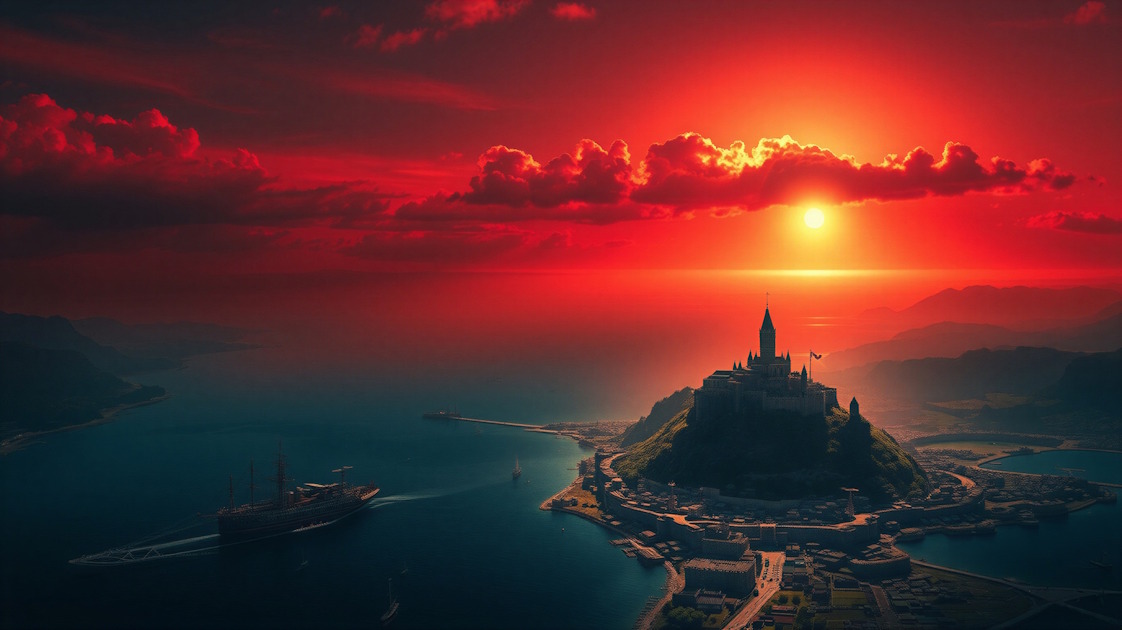
Darshavon, the One Kingdom, stands as the greatest achievement in human civilization—a unified realm whose scope and grandeur have never been matched in the five centuries since its fall. Encompassing every territory that would later become the Four Fiefdoms and beyond, the kingdom stretched from the Alzion Mountains in the south to the Ugull Mountains in the north, from the dense forests of the east to the western shores of the Barrens Ocean. Under a single king who ruled from the magnificent Sarradin Keep on Oslo, the Island of the King, Darshavon represented an era when humanity spoke with one voice and worked toward a common purpose.
The kingdom endured for generations, its people prospering under divine guidance and the protection of the Old Gods whose temples dominated every major settlement. Great cities like Khoras in the east became centers of learning, commerce, and engineering whose achievements would not be matched for centuries. Yet Darshavon could not survive the Third Great War. When the Old Gods destroyed themselves in their final, cataclysmic battle, the king perished alongside them, and the unity that had bound humanity together was shattered beyond repair. Oslo was abandoned, becoming a haunted isle; the provinces were fractured into competing fiefdoms; and the dream of the One Kingdom passed from living memory into legend. What remains of Darshavon now exists in the ruins beneath modern cities, in the genealogies of noble houses that trace their lineage to lords who once served the king, and in the persistent, dangerous ambition of rulers who believe they can restore the One Kingdom.
Learn more about Darshavon.
The Dead Lands
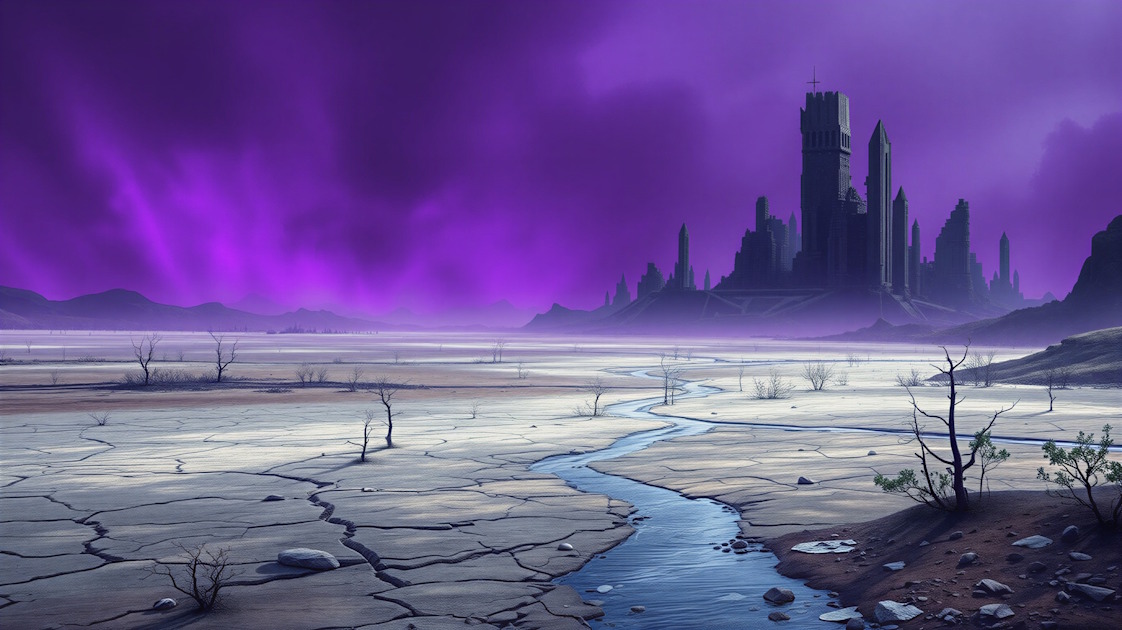
Within the borders of Panthora, north of the vigilant fortress-city of Aethros, lies a region that stands as the most visible scar of the Necromancer Wars—the Dead Lands, a blighted expanse where necromantic corruption has poisoned the earth so thoroughly that no living thing takes root and the boundary between life and death has been permanently disturbed. Created by the Great Cleansing that broke the Masadi Order's undead armies nearly two and a half centuries ago, this corrupted zone radiates outward from the ruins of Navarre, once Panthora's magnificent second city, now a place of darkened crystal towers walked by undead remnants whose purposes no living mind can fathom.
Though the Dead Lands are not a nation in any conventional sense, they remain a region of persistent danger and enduring mystery. Necromancers, liches, and other practitioners of the dark arts are periodically drawn to the zone's saturated energies, seeking to dominate its undead inhabitants and exploit its concentrated power. Each such attempt has been met and destroyed by the Guardians of the Dead, the elite warrior-scholars who maintain eternal watch from Aethros to ensure that no necromantic force ever rises from the corrupted region to threaten Panthora again. The Dead Lands serve the eslar as both an ongoing security concern and a moral landmark—the physical embodiment of the lesson that knowledge pursued without ethical restraint produces consequences that outlast the ambitions of those who set them in motion.
Learn more about the Dead Lands.
Dwarven Thanes
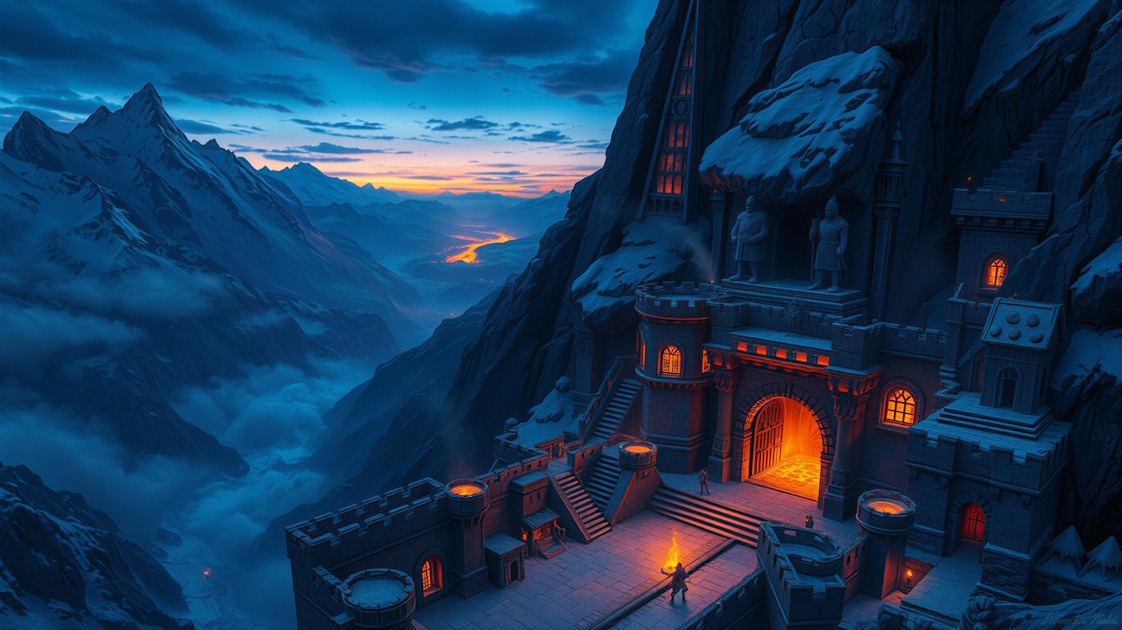
The Seven Thanes represent the scattered remnants of what was once the greatest underground kingdom in the known world. Before the catastrophic Fall of the Old Gods shattered their civilization, the dwarven people lived as a unified realm beneath the mountains, connected by vast underground highways and governed by the legendary Throne of Seven Hammers. When divine warfare collapsed their tunnels and destroyed their capital of Kazad-Grimm, each surviving hall was forced into centuries of isolation, developing distinct cultures and specializations while clinging to their shared heritage of masterful craftsmanship and unbreakable clan loyalty.
Today, the Seven Thanes—Akenraen-tor, Berjendale, Brokken-tor, Dwathenmoore, Heidelheim, Merkinjel, and Rillock—stand as independent fortress-cities scattered across multiple mountain ranges, each adapted to their unique environment and challenges. From the sky-touched peaks of Akenraen-tor to the crystal depths of Merkinjel, from the mechanical innovations of Brokken-tor to the military might of Berjendale, these halls represent both the resilience of dwarven culture and its evolution in response to a world forever changed. As new pressures emerge from expanding surface civilizations and growing threats from organized goblin forces, the thanes face crucial decisions about whether to embrace reunification or maintain the independence that has defined them for over five centuries.
Learn more about the Dwarven Thanes.
The Four Fiefdoms
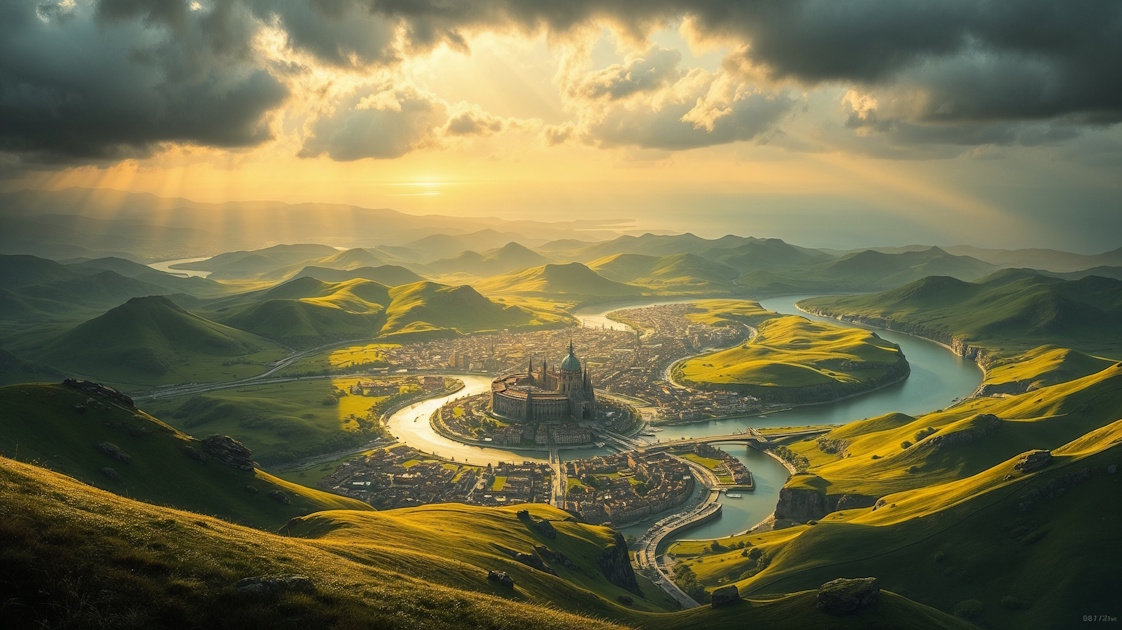
The Four Fiefdoms—Anolga, Kallendor, Seacea, and Vranna—represent the shattered remnants of humanity's greatest achievement: the unified Kingdom of Darshavon. Once ruled as a single realm by a high king from the magnificent island capital of Oslo, these lands knew unprecedented prosperity and unity until the catastrophic Fall of the Old Gods in Year 0 destroyed both divine powers and mortal authority in a final, devastating battle. From this chaos emerged four distinct kingdoms, each forged by the unique challenges they faced after civilization's collapse.
Today, these nations exist in a state of perpetual tension that historians call "the Eternal Dance"—a complex web of trade, diplomacy, rivalry, and intermittent warfare that shifts constantly but never achieves lasting peace. Anolga's maritime raiders prowl the western seas, Kallendor's technological innovations reshape the possibilities of commerce and war, Seacea's naval supremacy controls vital trade routes while battling goblin threats, and Vranna's agricultural abundance feeds the region as it navigates delicate relationships with dwarven allies and hostile neighbors. Though economic interdependence binds them together and occasional cooperation against common threats like organized goblin forces provides moments of unity, the dream of reunification remains as distant as the abandoned throne on haunted Oslo, leaving the Four Fiefdoms locked in their eternal dance of division.
Learn more about The Four Fiefdoms.
The Freelands
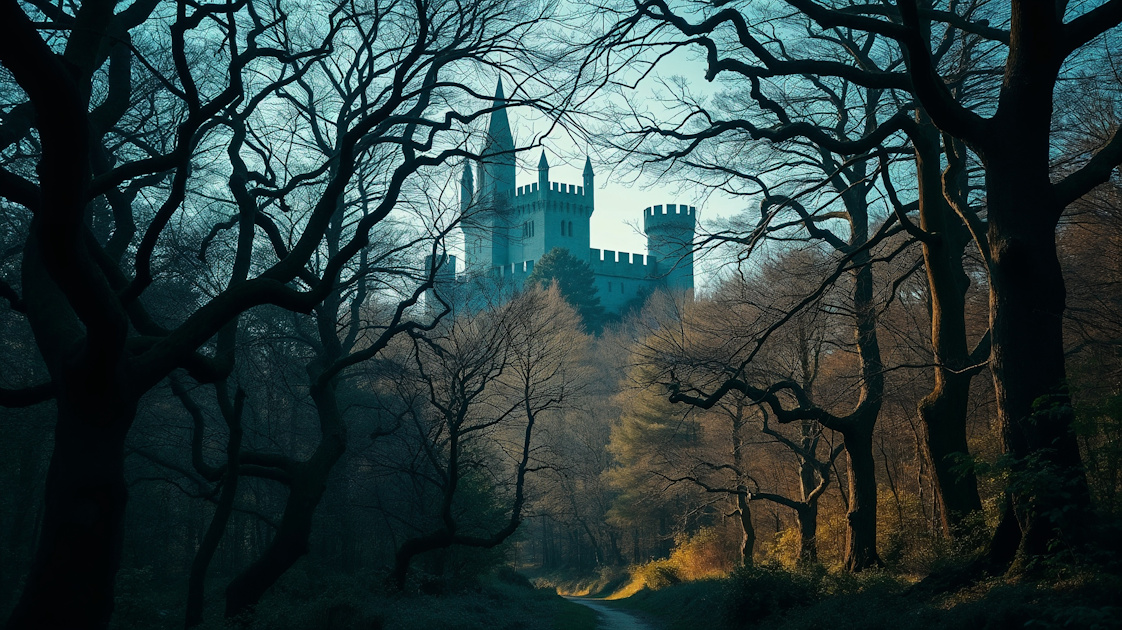
The Freelands represent one of the most unique political experiments in Uhl's history—a region that has thrived for over five centuries without kings, gods, or central authority. Born from the ashes of the Fall of the Old Gods, this collection of independent settlements east of the Alzion Mountains chose a path of radical independence, rejecting the very concepts of divine mandate and royal bloodline that define the rest of civilization.
What outsiders dismiss as lawless chaos is actually a sophisticated system of earned leadership, mutual agreements, and personal sovereignty. From the notorious Drax-Korrum with its reputation as a city of assassins, to the fortress-settlement of High Holt where lordlings wage ritualized wars, the Freelands have proven that prosperity and order need not require submission to distant authorities. Their story is one of collective determination—a testament to the power of saying "no" to those who would rule, and "yes" to the freedom to forge one's own destiny.
Learn more about The Freelands.
Kazad-Grimm
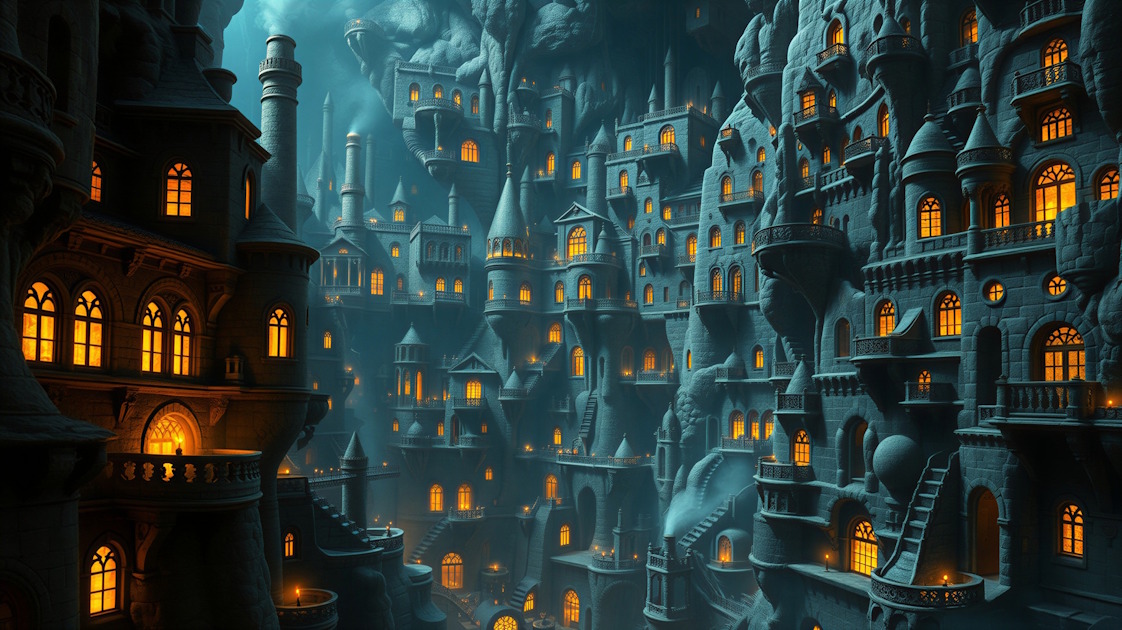
Kazad-Grimm, the One Kingdom Below, stands as the greatest achievement in the history of dwarven civilization—a unified underground realm whose scope and grandeur have not been matched in the five centuries since its fall. Stretching beneath every major mountain range of Uhl through a vast network of carved highways, engineered caverns, and interconnected halls that made distance meaningless, the kingdom united all the dwarven peoples under a single ruler who governed from the legendary Throne of Seven Hammers in the capital at its heart. Under this throne, the dwarves spoke with one voice, worked toward one purpose, and built an underground civilization whose achievements the Seven Thanes can only partially remember through fragments of oral tradition and the occasional discovery of sealed passages that open onto halls whose workmanship no modern dwarf can replicate.
The kingdom endured for ages, its people prospering beneath the stone in a world of their own fashioning, connected across impossible distances by highways that carried trade, messages, and armies with equal speed. Its master-crafters produced weapons, armor, and works of art that set the standard against which all subsequent dwarven work has been measured and found wanting. Yet Kazad-Grimm could not survive the catastrophe of the Fall of the Old Gods. When divine warfare collapsed the great tunnels, destroyed the capital, and severed the highways that bound the kingdom together, each surviving hall found itself isolated in ways no living dwarf had ever experienced. The process of fragmentation that followed was slow and agonizing—not a sudden shattering but a gradual dimming, as communication failed, supply lines withered, and communities that had once been nodes in a vast network became islands unto themselves. What remains of Kazad-Grimm now exists in the sealed chambers occasionally broken into by modern miners, in the oral traditions that each thane maintains of a time when the dwarves were one people, and in the persistent dream of reunification that surfaces in every generation and has yet to find a champion equal to its demands.
Learn more about Kazad-Grimm.
Oslo, Isle of the King
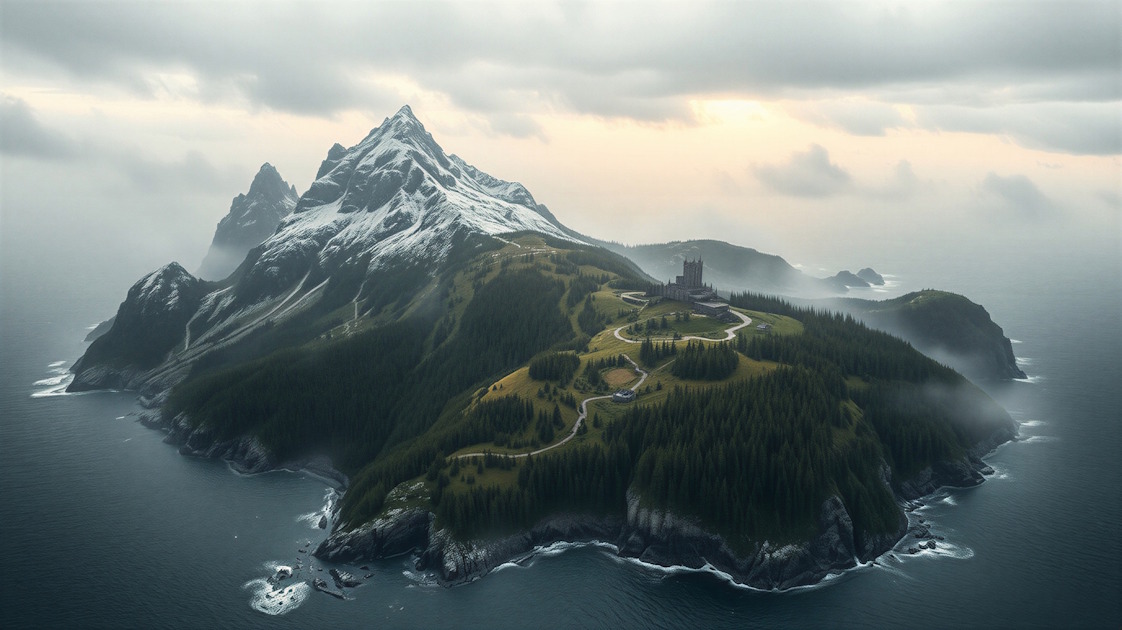
Oslo, the Forbidden Island of the King, stands as the most potent symbol of humanity's lost glory—a vast, mountainous island shrouded in the ancient Thornwall Forest and five centuries of silence. Once the seat of power for the Kingdom of Darshavon, from which the kings of the One Kingdom governed a continental realm from the magnificent Sarradin Keep, Oslo now lies abandoned and forbidden, its empty harbors and silent halls preserved by the fear and superstition that have kept all comers at bay since the catastrophic Fall of the Old Gods.
Situated in the Barrens Ocean west of modern-day Seacea and south of Anolga, separated from the mainland by the Eriatic Channel, the island once supported a thriving population centered on the harbor city of Sarradin and the royal court that governed from the keep at its heart. When the king perished alongside the Old Gods during the Third Great War, the island's population fled to the mainland, and Oslo was abandoned, becoming a place of dread and mystery. No one who has attempted to reclaim the island has returned to report what they found. Sailors speak of strange lights in the forest, unnatural fogs, and an oppressive silence that settles over vessels that drift too close to shore. Today, Seacea's naval control of the Eriatic Channel makes the kingdom the de facto gatekeeper to humanity's most sacred and most dangerous piece of real estate—an empty throne that represents the ultimate prize for any ruler ambitious enough to claim the mantle of the One Kingdom, and the ultimate peril for any who dare set foot on the Forbidden Island's shores.
Learn more about Oslo, Isle of the King.
Panthora
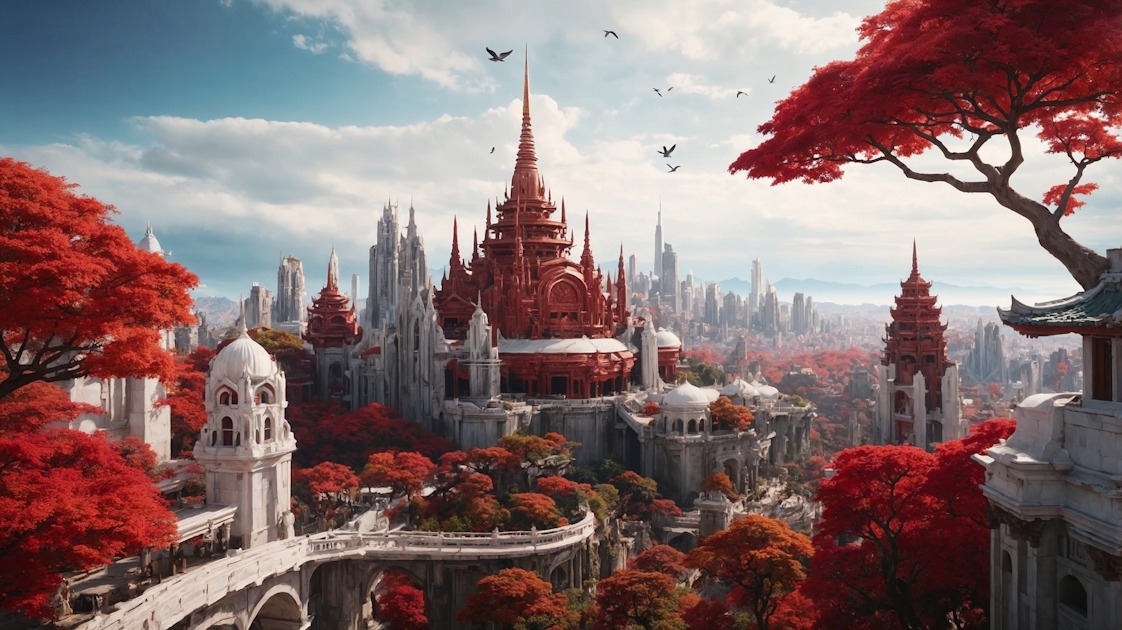
Panthora stands as the remarkable technocratic kingdom of the eslar, a sophisticated civilization that has weathered the greatest catastrophes through wisdom, innovation, and careful isolation. Located between the mysterious Merrow Woods and the vast Miradathia Sea, this advanced nation represents the pinnacle of eslar achievement, where knowledge and merit determine leadership rather than bloodline or conquest. From its magnificent capital, Isia, with its crystalline spires and vast underground research complexes, to the vigilant fortress-city of Navarre that guards against the necromantic corruption of the Dead Lands, Panthora embodies the eslar commitment to the ethical pursuit of understanding while staying constantly aware of knowledge's potential dangers.
The kingdom's history is forever marked by the catastrophic Necromancer Wars of the late third century, when the brilliant but corrupted scholars Ill Sigith and Jux Jeorn nearly conquered Panthora with their undead armies before being defeated through the desperate Great Cleansing that left permanent scars on the land. This traumatic experience shaped modern Panthoran culture into a society that pursues technological and magical advancement with unprecedented care and consideration, governed by the Council of Minds through merit-based selection and guided by strict ethical principles. Today, Panthora serves as both a sanctuary for learning and a beacon of hope, where the elite Guardians of the Dead maintain eternal watch over the corrupted Dead Lands while eslar scholars continue pushing the boundaries of what is possible, always balancing brilliant innovation with the hard-earned wisdom that knowledge without responsibility leads only to destruction.
Learn more about Panthora.
Sitheri Broods
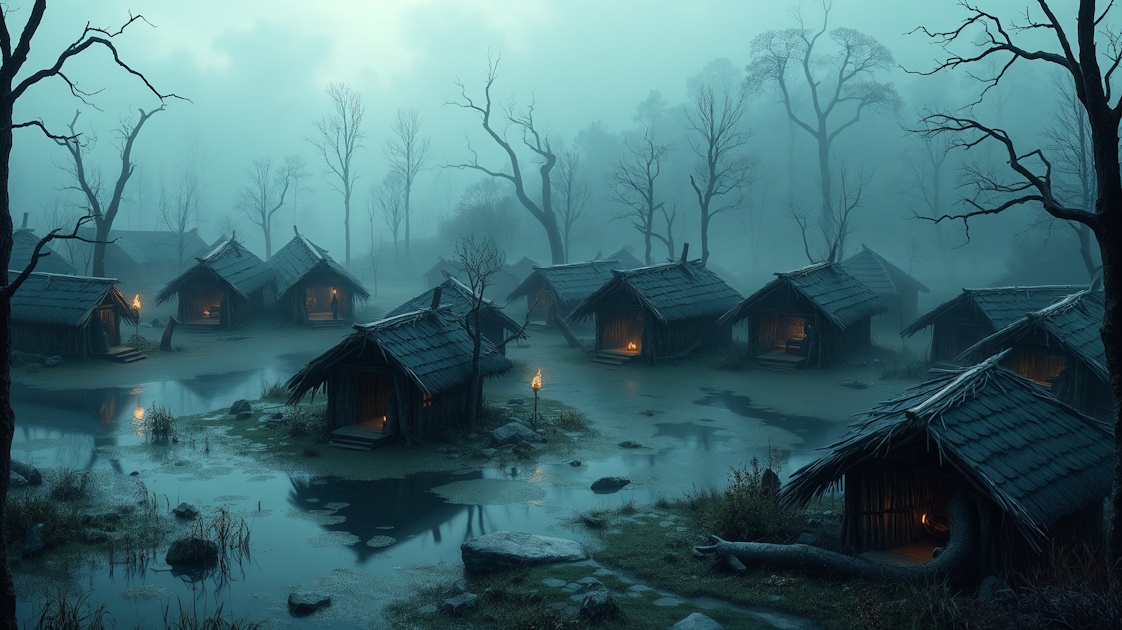
Deep within the treacherous waters of Death's Head Swamp, ten serpentine broods have waged war against each other for millennia, their territorial boundaries shifting like the dark currents that flow through their homeland. Each brood—Apis-aba, Cutho-ka, Kel-kala, Lusa-na, Okzimba-ma, Saamnak-hut, Shi-ono, Sish-pon, Tul-anon, and Zaros-goz—has evolved unique specializations that reflect their adaptation to different aspects of the harsh swampland environment. From the Poison Speakers of Apis-aba, who master the deadly arts of toxins and assassination, to the War Serpents of Zaros-goz, whose military might dominates nearly a fifth of the swamp, these matriarchal societies have created a complex web of alliances and conflicts that has prevented any single brood from achieving lasting dominance.
Surrounded by the Alderden Mountains, the unified Eslar Kingdom of Panthora, the chaotic Freelands, and the mysterious Hollow Hills, the Sitheri have largely withdrawn into their swampland fortress in recent centuries, abandoning historical expansion efforts in favor of consolidating control over their ancestral domain. Yet beneath the surface of their territorial disputes burns an ancient dream that haunts the legends of all ten broods—the vision of a leader powerful enough to unite them under a single banner. Should such unity ever be achieved, the predatory ambitions that have defined Sitheri culture for millennia would be unleashed upon the outside world, transforming the serpentine warriors from a contained threat into an unstoppable tide of conquest that could sweep across all the lands beyond their swampland borders.
Learn more about the Sitheri Broods.
Southern Reaches
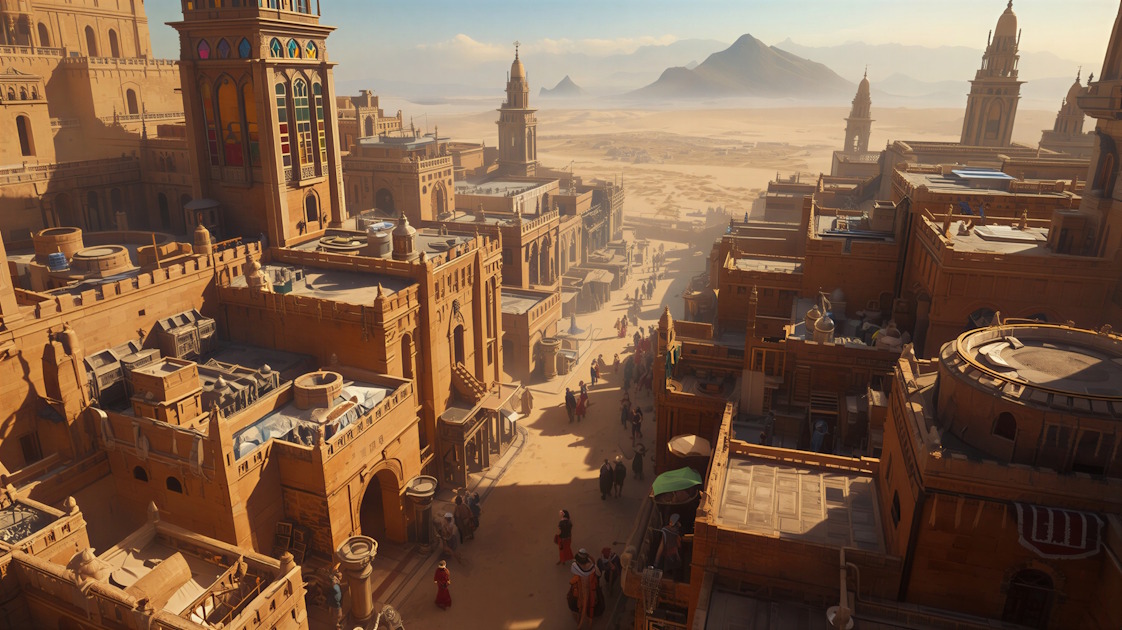
The Southern Reaches encompass vast sun-baked plains, sprawling deserts, and towering mountain ranges, where hardy peoples have carved out thriving civilizations despite the harsh environment. Known for their resilient city-states, sophisticated criminal enterprises, and master craftsmen who work with exotic materials, the Southern Reaches have produced some of the most skilled rogues, merchants, and artisans in all of Uhl. From the metropolitan hub of Gloamhaven to countless smaller enclaves scattered across the arid landscape, these lands breed individuals who understand that survival requires cunning, adaptability, and an appreciation for the delicate balance between cooperation and competition.
Learn more about the Southern Reaches.
Tribes of the Krill
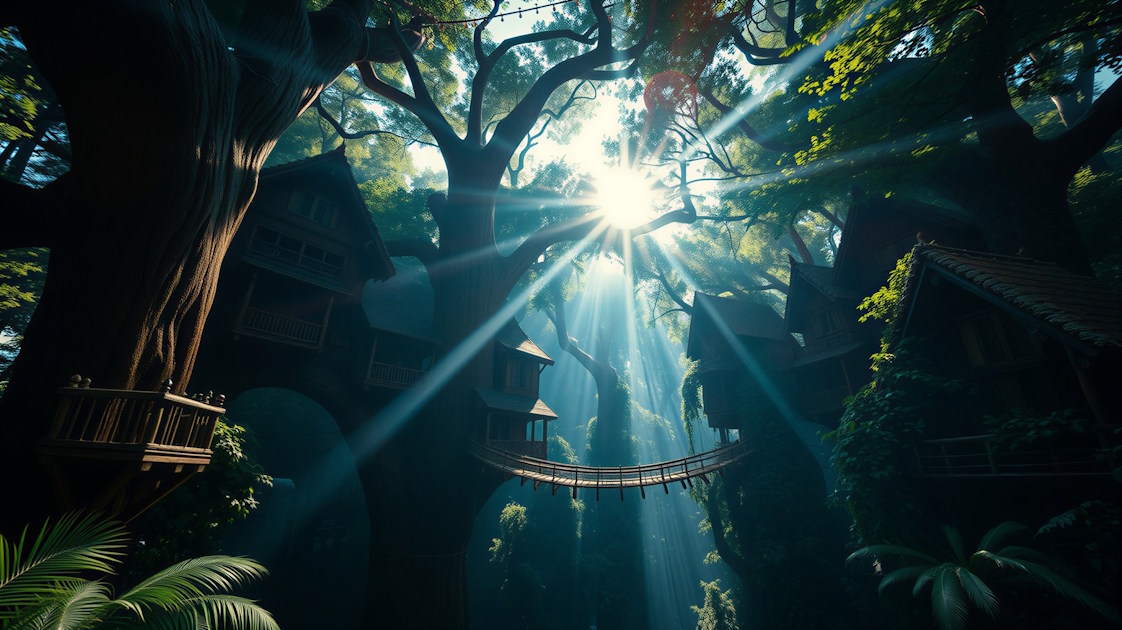
Within the vast canopies of the Merrow Woods, the krill have organized themselves into six distinct tribes, each claiming dominion over specific territories that reflect their unique adaptations and cultural specializations. Though united by shared heritage, language, and the sacred traditions of the sinji warrior caste, these proud feline warriors maintain fierce independence, involving themselves in inter-tribal affairs only in the most critical circumstances or, more often, not at all.
From the wind-dancing Aidu in the northeastern heights to the star-watching Unali in the northern mountains, each tribe has mastered particular aspects of forest life while contributing to the collective strength of krill civilization. Their territorial boundaries, marked by ancient agreements and natural barriers, create a complex mosaic of specialized communities that have proven remarkably resilient through the great upheavals of Uhl's history, allowing the krill to maintain their cultural integrity and independence even as the world around them undergoes dramatic transformation.
Learn more about the Tribes of the Krill.