THE AGES OF UHL
The Age of the Old Gods (Before Year 0)
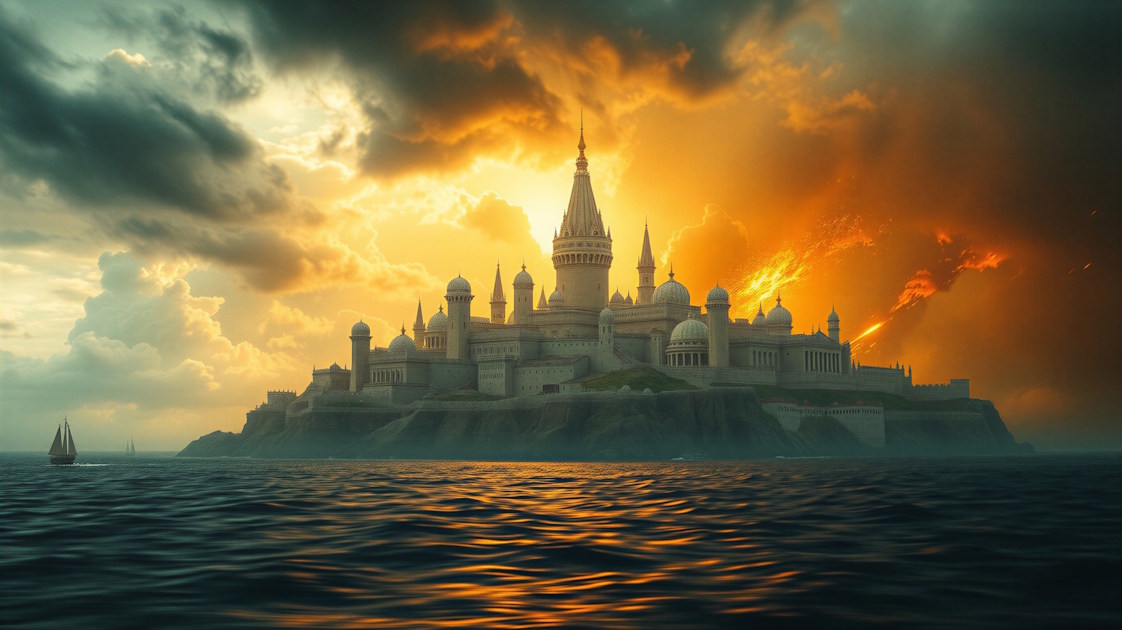
The Age of the Old Gods represents the earliest recorded period of Uhl's history, dominated by divine powers and culminating in devastating warfare. During this era, powerful entities now known as the Old Gods held sway over the world, their influence shaping civilizations and natural forces alike.
Three Great Wars marked this age—epic conflicts that would ultimately determine the fate of all creation. Darshavon, known as the One Kingdom, flourished under the rule of a high king who governed from the majestic Oslo, the Island of the King. Darshavon represented the pinnacle of human civilization during this period, a unified realm that would never again be matched in scope or grandeur.
The age reached its cataclysmic conclusion with the Fall of the Old Gods during the Third Great War. In their final battle, the Old Gods destroyed themselves in a conflict so devastating that it reset the world's very calendar. The high king of Darshavon perished alongside the gods, leaving humanity leaderless and the once-mighty kingdom shattered. In the aftermath, the survivors of the conflict abandoned Oslo, which became a haunted isle that none dared approach.
This catastrophic event marked Year 0, forever dividing Uhl's history into the time before and after the gods' self-destruction.
The Age of Resilience (Year 0-100)
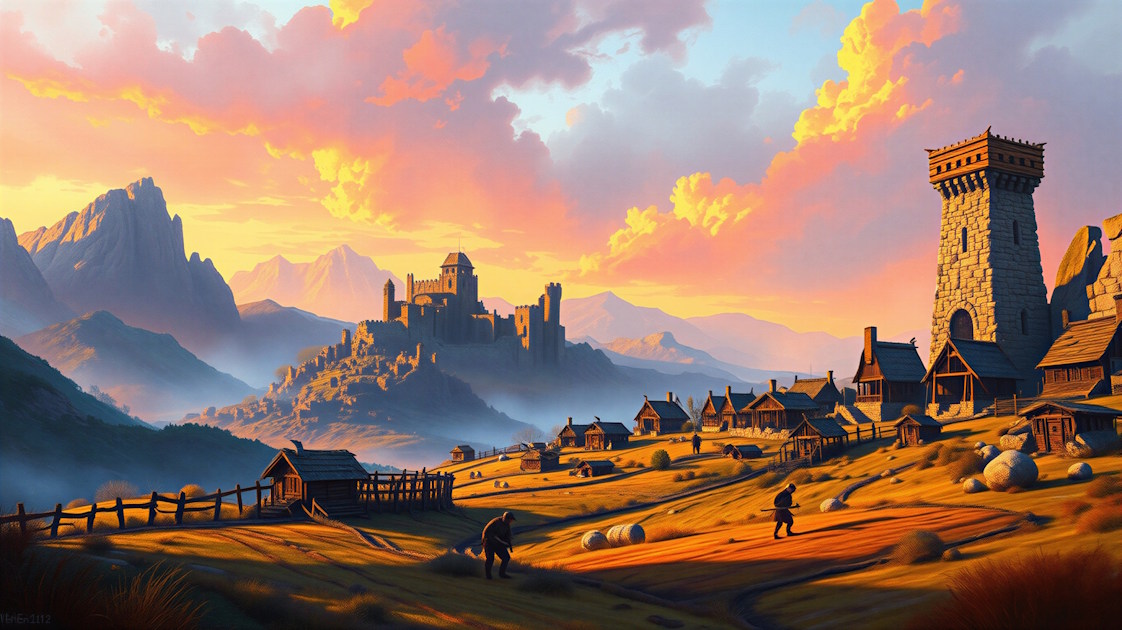
The Age of Resilience began in the immediate aftermath of the Fall of the Old Gods, as the surviving peoples of Uhl struggled to rebuild their shattered world. With the divine powers gone and established civilizations in ruins, survival, adaptation, and the slow process of healing from the wounds of the Great Wars defined this century.
The remnants of Darshavon's population, scattered and leaderless, began to coalesce into smaller regional powers. Without a high king to unite them, various noble houses and local leaders carved out territories from the ruins of the One Kingdom. This period saw the gradual emergence of what would eventually become the Four Fiefdoms, though their borders and identities remained fluid during these early decades.
Other races faced their own challenges during this age. The eslar retreated into their kingdom of Panthora, focusing on preserving their knowledge and rebuilding their society. The seven dwarven thanes worked to maintain their mountain strongholds while dealing with increased goblin activity in the aftermath of the divine catastrophe. The krill withdrew deeper into the Merrow Woods, while the sitheri broods in the Grimmere Swamp became even more isolated and territorial.
This age was characterized by small-scale conflicts, resource scarcity, and the constant struggle to maintain civilization in a world suddenly bereft of divine guidance. Yet it was also a time of remarkable resilience, as communities learned to depend on themselves rather than higher powers.
The Age of Change (Year 101-450)
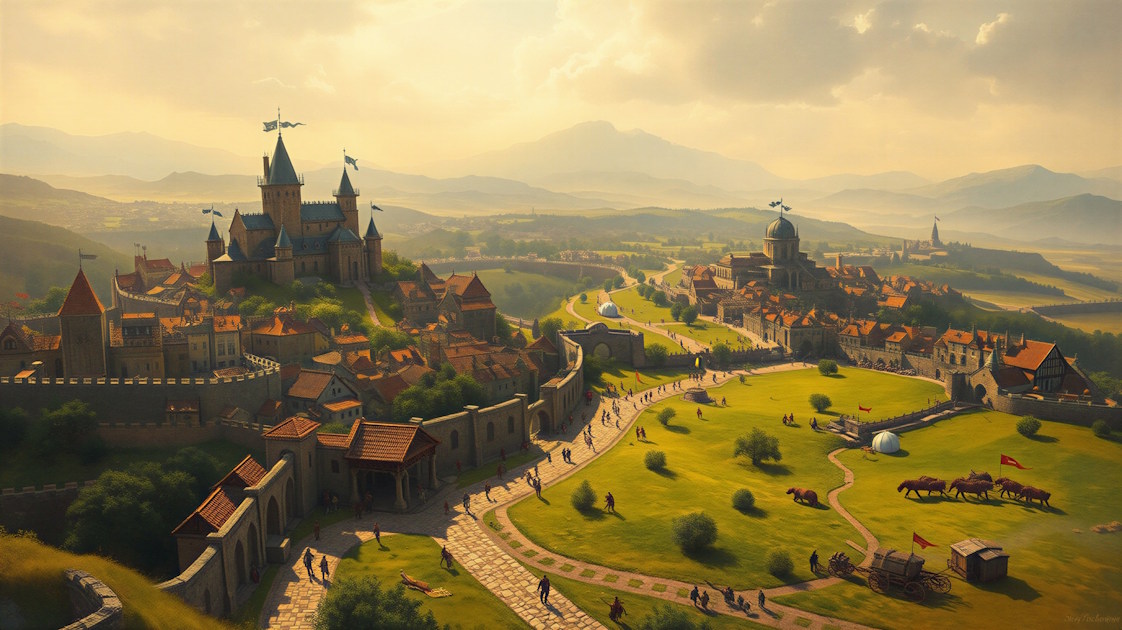
The Age of Change encompassed the transformation of Uhl from a world recovering from catastrophe to one actively reshaping itself. This lengthy period saw the establishment of new political orders, the development of distinct cultural identities, and the gradual expansion of civilization into previously abandoned or unexplored regions.
For humans, this age was dominated by the consolidation of the Four Fiefdoms and their evolution into stable, prosperous kingdoms. Trade between the fiefdoms flourished, leading to cultural exchange and technological innovation. However, this was also a period of occasional warfare as each fiefdom established borders and contested resources.
The other races of Uhl also experienced significant changes during this era. The eslar of Panthora emerged from their isolation to engage in selective trade and diplomacy. The dwarven thanes established more formal relationships with surface dwellers. The goblin tribes in the mountains and underground became more organized, with settlements like Greth and Gugal developing into significant fortifications that posed ongoing threats to surface communities.
Magic and technology evolved in new directions, no longer constrained by divine influence. Scholarly pursuits flourished, particularly in the emerging centers of learning. This period also saw the gradual abandonment of the old religious practices, as the temples dedicated to the fallen Old Gods fell into disuse or were scavenged for their materials.
The Rise of the Four Fiefdoms (Year 100-300)
A significant period within the broader Age of Change
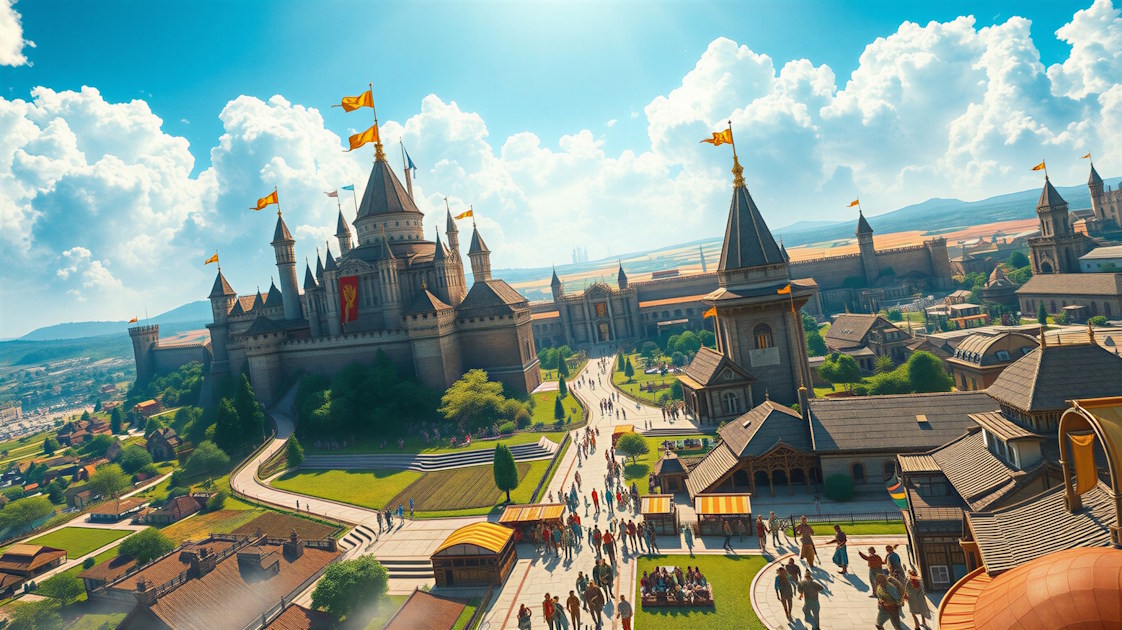
As the second century dawned, the Darshavon's scattered remnants stabilized enough to form distinct political entities. The Rise of the Four Fiefdoms saw the formal establishment of Seacea, Vranna, Anolga, and Kallendor as independent kingdoms, each developing its own identity, culture, and governance.
The gradual transformation of desperate communities into prosperous realms marked this 200-year period. Trade routes were reestablished, cities were rebuilt, and new technologies emerged. Each fiefdom developed its own specialties: maritime traditions, agricultural innovations, military prowess, or technological advancement.
Despite multiple attempts by ambitious rulers to claim the title of high king and restore Darshavon's former glory, all such endeavors failed. The memory of the One Kingdom remained powerful, but the political reality had shifted permanently toward decentralized power.
The abandoned Isle of Oslo remained a haunted reminder of lost unity, its empty palaces serving as a symbol of both past greatness and the impossibility of return to the old ways.
The Age of Advancement (Year 451-)
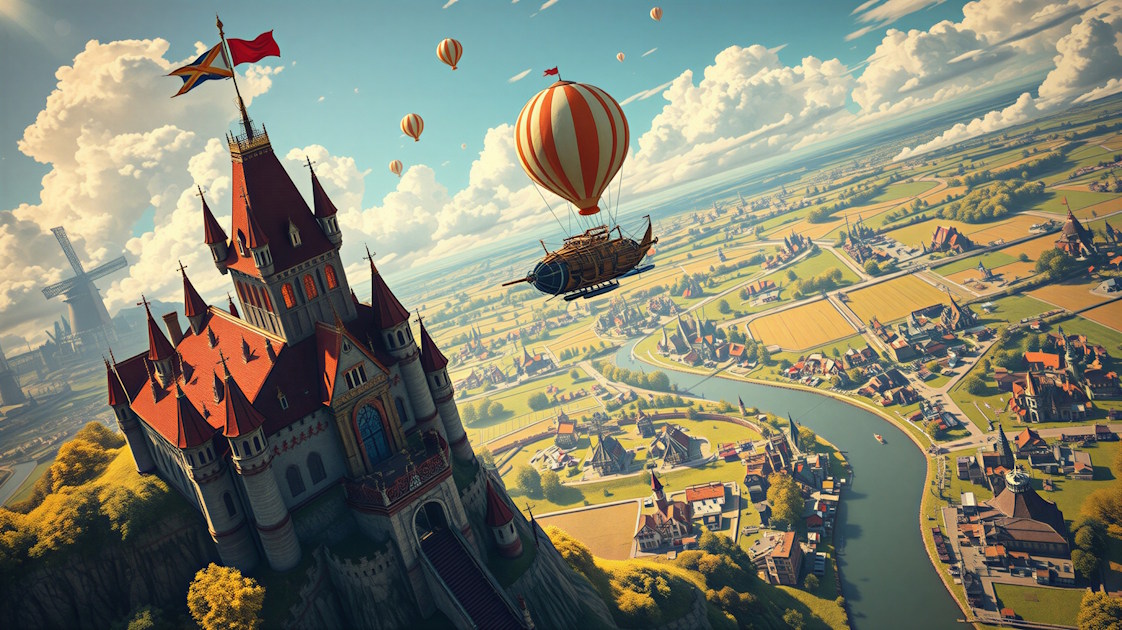
The current age represents a period of unprecedented technological and cultural achievement across Uhl. More than anything else, remarkable innovations, expanding trade networks, and the flowering of arts and sciences have characterized this era.
The crown jewel of this advancement is found in Kallendor's capital, Alchester, under the visionary rule of King Classus IV, known as the "Airship Monarch." His revolutionary airship technology has transformed transportation and trade throughout the Four Fiefdoms, connecting previously isolated communities and ushering in a new era of prosperity and communication.
The Technology Academy in Alchester produces innovations that blur the line between science and magic, while skilled artisans create goods sought after across all known lands. The city's magnificent airship docks stretch across the eastern skyline, serving as symbols of human ingenuity and progress.
This age has also seen the exploration and partial understanding of ancient mysteries, including the ruins of lost civilizations that lie beneath modern cities. Archaeological discoveries have revealed advanced technologies from previous eras, some of which have been adapted to serve contemporary needs.
Despite these advances, significant challenges remain. The goblin threat continues to menace frontier settlements. Social inequality persists within the great cities. Ancient ruins and abandoned places harbor dangers that remind the people of Uhl that their world still holds many secrets and perils.
As Year 539 marks the present day, the Age of Advancement continues to unfold, promising further innovations while the shadows of the past serve as reminders of both the heights that civilization can achieve and the depths to which it can fall.
The Age of Advancement continues...